Best Primary Care Physicians, explained
This guide was written for real people looking to simplify their healthcare search. Finding the right doctor often feels like a full-time job. You navigate insurance portals, read conflicting reviews, and wonder if a "family doctor" is different from an "internist." Choosing the best primary care ph
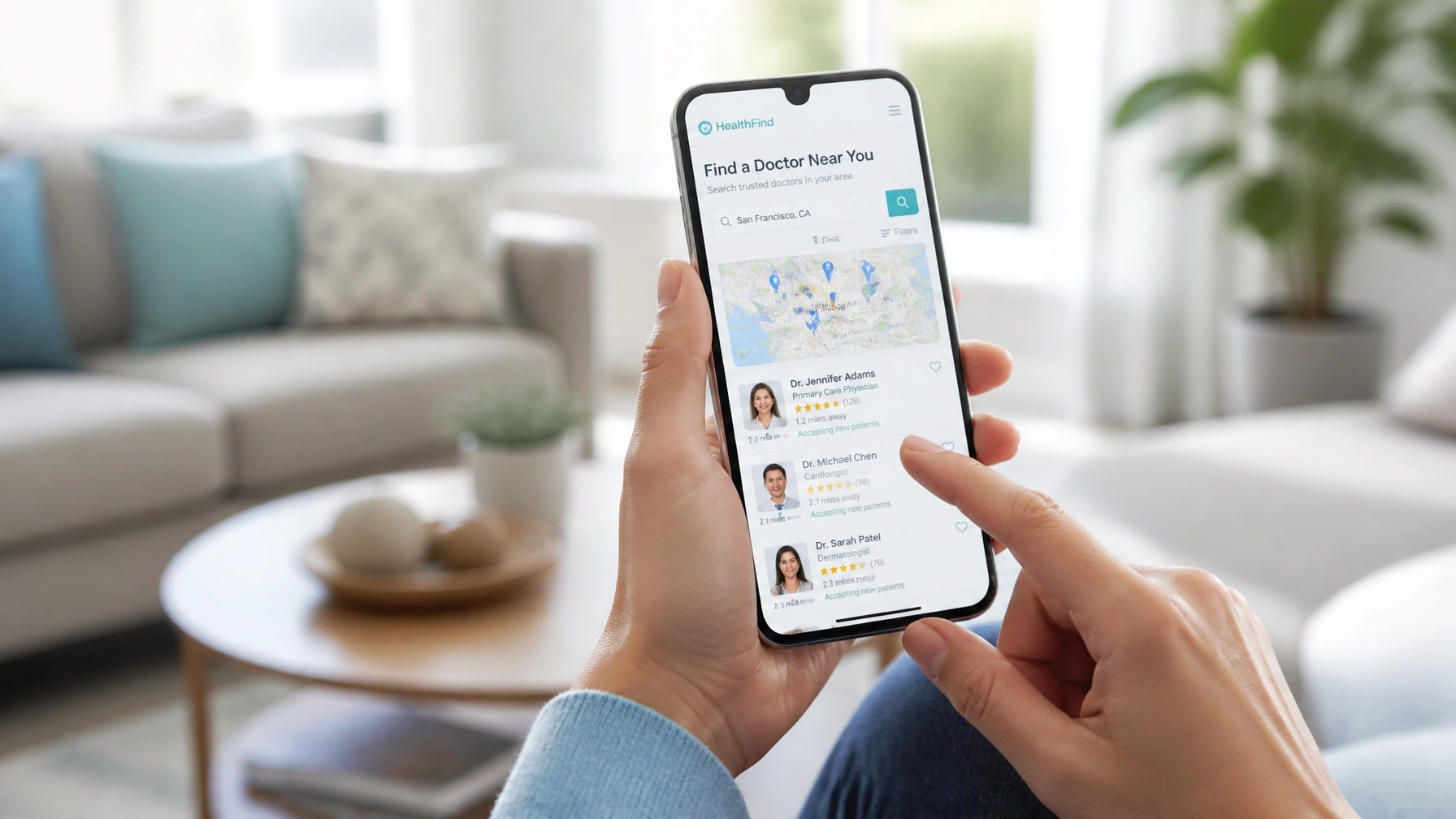
This guide was written for real people looking to simplify their healthcare search.
Finding the right doctor often feels like a full-time job. You navigate insurance portals, read conflicting reviews, and wonder if a "family doctor" is different from an "internist." Choosing the best primary care physician (PCP) is more than just picking a name from a list: it is about building a long-term partnership for your health.
A good PCP does more than treat you when you are sick. They help you stay on top of preventive care, notice patterns over time, and guide you when life gets messy — a new symptom, a new prescription, a move to a new city, or a health concern that does not clearly fit into one box. That kind of continuity matters. When one doctor understands your history, your family background, and your everyday health habits, care gets simpler and often more useful.
At Medical Online Directory, we simplify this process. We believe that finding a doctor should be as easy as ordering a meal: quick, transparent, and based on real data. Whether you are managing a chronic condition or just need a reliable professional for your annual physical, this guide breaks down exactly how to compare your options.
If you have ever delayed care because choosing a doctor felt overwhelming, you are not alone. Many people put off the decision until they urgently need antibiotics, a referral, blood pressure help, or an answer to a nagging symptom. That is exactly why taking a little time now can help later. Choosing carefully upfront usually means less stress when you actually need an appointment.
Navigating the types of Primary Care Physicians
The first step in your search is understanding the labels. Most people encounter two main types of doctors: Family Medicine and Internal Medicine. While both act as your first point of contact for health issues, their training and focus differ slightly.
Family Medicine vs. Internal Medicine
Family medicine practitioners are the "all-rounders" of the medical world. They treat patients of all ages: from newborns to the elderly. If you want one doctor who can see you, your spouse, and your children, a family medicine physician is your best bet.
They are often a practical choice for busy households. For example, if you are a parent trying to keep everyone on one schedule, having a family doctor can make care feel less scattered. You may be able to build a relationship with one office, one front desk team, and one system for records, follow-ups, and routine visits. That can make annual physicals, school forms, sports clearances, and everyday concerns much easier to manage.
Internal medicine physicians: often called internists: focus exclusively on adults. Their training involves deep dives into complex adult diseases and internal organ systems. If you are an adult with multiple chronic conditions like diabetes or hypertension, an internist might offer the specialized focus you need.
This does not mean one type is "better" across the board. It means the best fit depends on your stage of life and your needs. A healthy 28-year-old may feel comfortable with either option. A 62-year-old managing high blood pressure, cholesterol, and sleep issues may prefer an internist's adult-focused approach. A growing family may lean toward family medicine for convenience and continuity.
It also helps to think about what kind of care you expect to need over the next few years — not just today. Are you mostly looking for preventive visits and quick sick appointments? Do you want one office for multiple family members? Do you expect to need closer monitoring for ongoing conditions? These questions can point you in the right direction.
| Feature | Family Medicine | Internal Medicine |
|---|---|---|
| Patient Age | All ages (Birth to Geriatric) | Adults only (18+) |
| Focus Area | Broad, whole-family care | Complex adult chronic diseases |
| Pediatrics | Included | Not included |
| Procedures | Minor office procedures, OB/GYN | In-depth diagnostic focus |
| Best For | Families and generally healthy adults | Adults with complex health needs |
A simple way to decide is this:
- Choose Family Medicine if you want broad care, household convenience, or a doctor who can grow with your family over time.
- Choose Internal Medicine if you want adult-focused care, especially if you have several ongoing health issues or need closer long-term monitoring.
If you are still unsure, that is normal. Many patients do well with either type. In that case, factors like insurance, office location, appointment availability, communication style, and reviews often become the deciding details.
Evaluating what matters most
When you search for the best primary care physicians, your "best" will look different from someone else's. It depends on your lifestyle, your health history, and your personal preferences. Here are the four pillars of a successful choice.
1. Checking insurance compatibility
Nothing stalls a healthcare journey faster than an unexpected bill. Before falling in love with a provider's profile, verify their insurance status.
- In-Network: These doctors have a contract with your insurance provider to provide services at a pre-negotiated rate.
- Out-of-Network: You will likely pay significantly more, or the full cost, if you see these providers.
It is also smart to verify a few details beyond the network label. Plans can look similar on paper but work differently in real life. If possible, confirm:
- The exact insurance plan name listed on your card
- Whether the office is accepting that plan for new patients
- Whether lab work, imaging, or referrals usually stay in-network through that office
- Whether telehealth visits are billed the same way as in-person visits
For example, a doctor may be in-network, but the outside lab they commonly use may not be. Or the physician may accept your insurer, but not your specific marketplace or employer plan. These details matter because a visit that seems simple can lead to extra charges later.
If you want to keep things low-friction, create a quick checklist before booking:
- Is this provider in-network for my exact plan?
- Are they accepting new patients?
- Is my preferred visit type available — in-person, telehealth, or both?
- Do I need a referral rule for specialists under my plan?
On the Medical Online Directory, you can filter specifically by your insurance plan: saving you the headache of calling offices one by one.
2. Prioritizing location and accessibility
The best doctor in the world is useless if you can never make it to their office. Consider your "health commute."
- Proximity: Is the office near your home or work?
- Travel time: How does traffic look during your typical appointment hours?
- Facility type: Is the doctor in a private practice or a larger hospital system? Larger systems often offer easier referrals to specialists: though they can sometimes feel more "corporate."
Accessibility is about more than distance on a map. Think about how easy it is to actually use the office when life is busy. A provider 20 minutes away may be a better choice than one 8 minutes away if parking is simple, appointments start on time, and the office has evening availability. Convenience affects follow-through. When care is easier to reach, you are more likely to keep preventive appointments instead of postponing them.
Here are a few practical things worth checking:
- Office hours before or after work
- Same-week or next-day sick visits
- Parking availability and cost
- Access to public transportation if needed
- Elevator access, wheelchair access, or other mobility support
- On-site lab services or nearby testing locations
For example, if you manage a condition that requires repeat follow-ups, a nearby office with consistent scheduling may matter more than a highly rated office across town. If you are choosing for an older parent, building access and clear parking may matter even more than travel time.
You can use our map view to visualize exactly where your potential providers are located relative to your daily route.
3. Interpreting patient reviews
Reviews are a goldmine of information, but they require a discerning eye. Don't just look at the star rating: look at the "why."
- Consistency: Does every review mention a long wait time? This is likely a systemic issue in that office.
- Bedside Manner: Do patients feel heard? Look for phrases like "took time to explain" or "didn't feel rushed."
- The "Outlier" Rule: Ignore the one-star review from the person angry about the parking lot. Focus on the medical experience and the staff's professionalism.
It helps to read reviews in clusters instead of one by one. Look at the latest few reviews, then the highest-rated, then the lowest-rated. This gives you a more balanced picture. A provider with mostly strong feedback and a few isolated complaints may still be excellent. A provider with repeated comments about unanswered phones, rushed appointments, or confusing billing may be harder to work with, even if the star rating looks decent at first glance.
Pay attention to the details that match your priorities. If you are nervous about doctor visits, look for reviews that mention patience, kindness, and clear explanations. If you have a packed schedule, comments about on-time appointments and efficient staff may matter more. If English is not your first language, look for notes about communication and multilingual support.
A practical example: imagine two doctors with the same rating. One gets praise for warmth and careful listening, but several patients mention long waits. The other gets praise for fast scheduling and efficient visits, but some patients say the appointments feel brief. Neither is automatically the wrong choice. The better fit depends on what you personally value most.
With over 12,966 patient reviews on our platform, you can get a clear picture of the patient experience before you ever step foot in a waiting room.

Observing communication and bedside manner
Medicine is a conversation. If you don't feel comfortable talking to your doctor, you won't share the small details that could be vital to your diagnosis. Staying healthy requires open, honest dialogue.
Assessing the first visit
When you attend your first appointment, treat it like an interview.
- Active Listening: Does the doctor look at you or a computer screen?
- Clarity: Do they explain things in plain English or hide behind medical jargon?
- Respect: Do they value your input on your own body?
You can also walk in with a short list of goals. That keeps the visit focused and helps you judge the fit more clearly. For example, you might want to discuss fatigue, refill a medication, ask about routine screening, and understand how the office handles follow-up questions. If the doctor helps you move through those concerns in an organized way, that is a strong sign.
A few practical questions can reveal a lot during a first appointment:
- How do I contact the office with follow-up questions?
- How long does it usually take to get lab results?
- If I need a sick visit, how quickly can I be seen?
- Do you offer telehealth for simple follow-ups?
- How do referrals usually work from this office?
You are not looking for perfection. You are looking for trust, clarity, and a basic sense that this doctor can work with you over time. A strong PCP relationship often feels steady rather than flashy. You leave knowing what the plan is, what happens next, and how to get help if something changes.
The best primary care physicians act as guides: demystifying complex systems and helping you make informed decisions. If you find yourself leaving an office feeling confused or dismissed, it is time to try someone else. Transitioning to a new provider is a normal part of finding the right fit.

Using the Medical Online Directory to compare
We built our platform to remove the friction from healthcare. We know you are busy: taking 60 seconds to filter results can save you hours of frustration later.
How to compare in 3 steps:
- Search by specialty or symptom: Enter what you need: like "Family Medicine" or "Back Pain": to see relevant providers.
- Filter by the essentials: Toggle filters for insurance, language, and "accepting new patients."
- Compare side-by-side: Look at verified profiles, average ratings (ours average 4.8 stars), and telehealth availability.
To make this process even easier, think in terms of must-haves and nice-to-haves. Your must-haves might include in-network coverage, a location within 15 minutes, and weekend appointments. Your nice-to-haves might include telehealth, a specific language, or a doctor of a certain gender. When you separate those two groups, decisions get much clearer.
A practical comparison checklist can help:
- Is the provider verified?
- Are they accepting new patients right now?
- Do they match your insurance plan?
- Is the office easy for you to reach?
- Do reviews mention respectful communication?
- Is telehealth available if you want it?
- Do they seem like a fit for your age, health needs, and preferences?
If you are deciding between two or three doctors, avoid overthinking tiny differences. Instead, pick the provider who clears your essentials and feels easiest to access. In primary care, follow-through often matters more than chasing a perfect profile. A good doctor you can actually book, reach, and build with is usually better than an ideal option that is always unavailable.
Our compare tool allows you to see the differences between providers at a glance: ensuring you choose the one that aligns with your specific needs.
Frequently Asked Questions
What is the difference between a PCP and a specialist?
A Primary Care Physician (PCP) is your generalist: the "quarterback" of your health. They handle routine checkups and common illnesses. A specialist focuses on a specific organ or system, like a cardiologist for the heart. Your PCP usually provides the referral needed to see a specialist.
Think of your PCP as the person who connects the dots. If you see urgent care for one issue, a dermatologist for another, and a specialist later, your primary care doctor helps keep the full picture organized. That overview can be especially helpful when symptoms overlap or when you are taking more than one medication.
Can I change my PCP if I don’t like them?
Yes. You are never "locked in" to a doctor. If the communication style isn't working or the office is too difficult to reach, you can search for a new provider anytime. We recommend keeping your records updated and ensuring your new doctor has access to your medical history.
If you do switch, make the handoff easier by requesting copies of recent lab work, visit summaries, medication lists, and any imaging or referral notes. That saves time and helps your new doctor get up to speed faster.
Do I need a PCP if I’m healthy?
Absolutely. Staying healthy is easier than getting healthy. A PCP tracks your "baseline" health: making it much easier to spot when something goes wrong. They also manage essential screenings and vaccinations that prevent future issues.
That baseline matters more than many people realize. If you suddenly start feeling tired, gain weight unexpectedly, develop headaches, or notice rising blood pressure, a doctor who already knows your normal can spot changes more quickly. Preventive care may not feel urgent today, but it often saves time, stress, and money later.
How do I know if a doctor is "verified"?
On our platform, verified profiles mean we have confirmed the provider's credentials and location. This adds a layer of trust: ensuring the person you see online is the professional you meet in person.
Taking the next step
Choosing a doctor shouldn't be a gamble. By comparing specialties, verifying insurance, and reading authentic reviews, you take control of your healthcare journey.
The goal is not to find a perfect profile on the first try. The goal is to find a trustworthy starting point — someone accessible, well-matched to your needs, and able to support you over time. Choosing a PCP becomes much easier when you focus on practical fit: insurance, location, communication, availability, and patient experience.
Ready to find your match? It takes 60 seconds to start your search. Browse our directory of 37+ verified providers and find the best primary care physician for your needs today.
Search for Doctors Near You ( Free, no obligation.)
Found this article helpful?