How to Find Doctors Accepting New Patients Near You
Finding healthcare providers who have open openings can sometimes feel like searching for a needle in a haystack. Doctors accepting new patients near you are essential resources when you are relocating, changing insurance plans, or simply looking to establish ongoing preventive care. Navigating medi
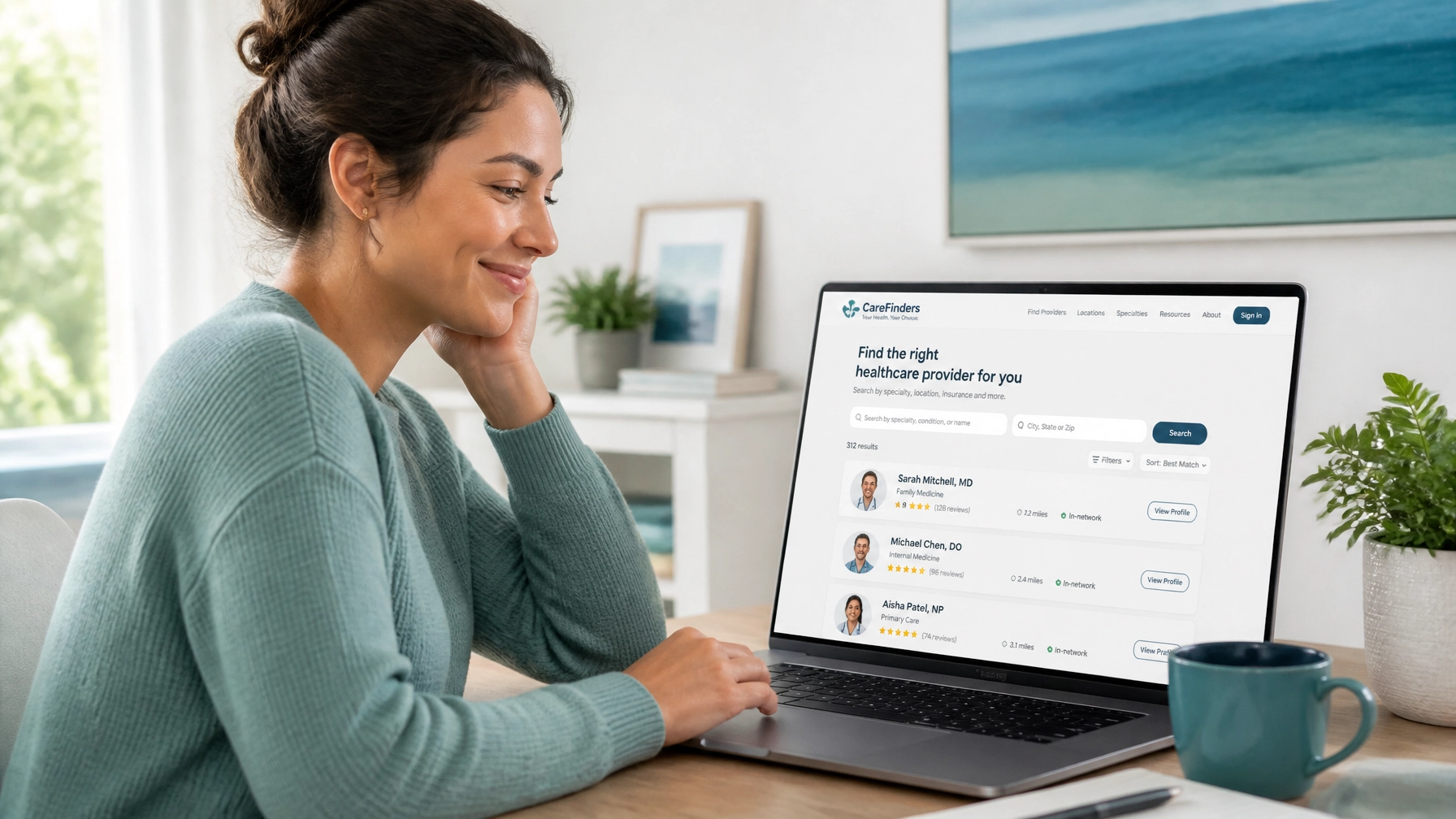
Finding healthcare providers who have open openings can sometimes feel like searching for a needle in a haystack. Doctors accepting new patients near you are essential resources when you are relocating, changing insurance plans, or simply looking to establish ongoing preventive care. Navigating medical directories and clinic phone trees does not have to be an overwhelming chore. Staying informed and utilizing streamlined search platforms transforms a stressful task into a straightforward, manageable step.
Written for real people who need help finding providers who are currently accepting new patients, this comprehensive guide walks you through every practical method to locate, verify, and connect with trusted local doctors quickly. Takes 60 seconds to start searching our directory. Free, no obligation.
Doctors Accepting New Patients, Explained
When a medical practice or individual physician is labeled as "accepting new patients," it means their schedule has active capacity to take on individuals for routine checkups, ongoing chronic condition management, or specialist consultations. Understanding this status helps you avoid wasted phone calls and ensures you secure timely access to medical attention.
Navigating provider availability involves examining several key factors:
- Practice Capacity: Clinics balance their active patient rosters to ensure every individual receives adequate attention and reasonable appointment wait times.
- Insurance Alignment: A provider might accept new patients overall, but you must verify whether they take your specific insurance plan, such as Blue Cross, Aetna, UnitedHealthcare, or Medicare.
- Specialty Focus: Primary care doctors, pediatricians, OB/GYNs, and cardiologists manage their patient caps independently based on clinical demand.
Using advanced digital tools, like our comprehensive Medical Online Directory, simplifies this entire filtering process. You can instantly filter providers by location, specialty, insurance, and active patient acceptance status.
Why Finding the Right Local Provider Matters
Establishing a long-term relationship with a trusted healthcare professional forms the foundation of lifelong wellness. Choosing the right doctor goes beyond proximity; it involves finding someone who listens attentively, respects your personal health goals, and provides clear, jargon-free communication.
When you partner with a consistent primary care physician or specialist, you benefit from:
- Comprehensive Medical History: Your provider understands your baseline health, family history, and past treatments, allowing for more accurate diagnoses.
- Proactive Preventive Care: Regular screenings, vaccinations, and wellness checks catch potential health concerns long before they escalate into serious conditions.
- Coordinated Specialty Care: If you need a referral to a cardiologist, orthopedic surgeon, or mental health specialist, your primary doctor can guide you seamlessly through our medical specialties directory.
Step-by-Step Strategies to Locate Open Providers
Securing an appointment with a doctor who is currently taking new patients requires a structured, multi-channel approach. Here is how you can streamline your search today:
1. Leverage Online Healthcare Directories
Digital directories aggregate verified provider profiles, patient ratings, and real-time practice statuses in one convenient hub. Instead of guessing which offices have open schedules, you can use our advanced doctor search tool to filter results instantly. You can view providers in both list and map formats, making it easy to find offices close to your home or workplace.
2. Check Your Insurance Provider Network
Before committing to any medical practice, verifying coverage prevents unexpected out-of-pocket expenses. Most major health insurance providers maintain online directories where you can filter by "accepting new patients" and your specific plan tier. Cross-referencing your insurer's portal with our healthcare facilities directory ensures complete transparency before you book.
3. Contact Clinic Reception Directly
Even with up-to-date online databases, calling the clinic directly remains a foolproof way to confirm immediate availability. When you call, ask specific questions:
- Are you currently taking new adult or pediatric patients?
- What is the estimated wait time for an initial new-patient appointment?
- Do you accept my specific insurance policy?
Evaluating Patient Reviews and Provider Credentials
Choosing a healthcare provider is a deeply personal decision. Reading verified patient feedback provides invaluable insight into a doctor’s bedside manner, office wait times, and staff helpfulness.
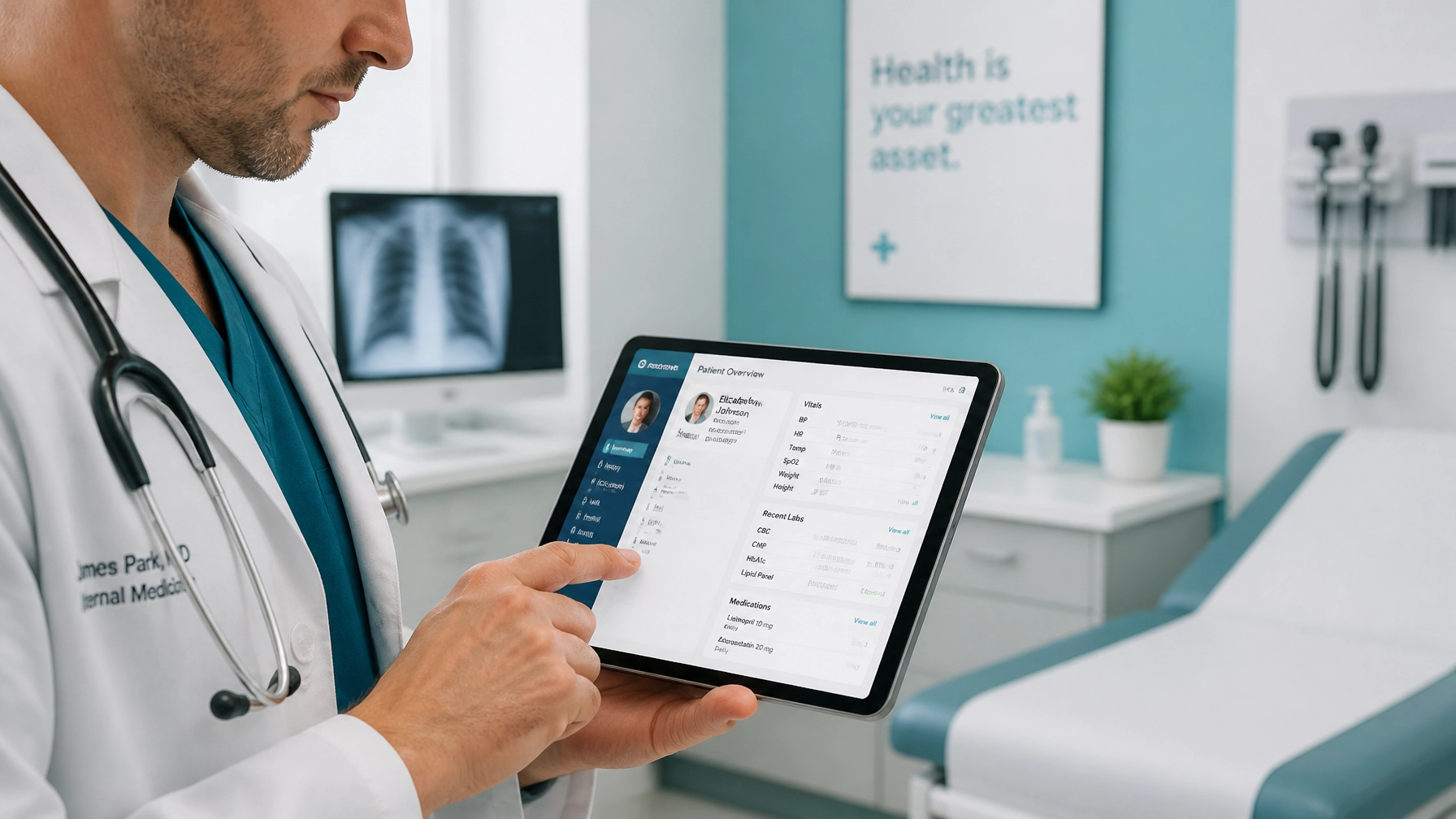
Our platform proudly features over 12,966 verified patient reviews with a 4.8★ average rating across our network. When evaluating provider profiles, consider the following metrics:
- Communication Style: Look for reviews highlighting how well the doctor listens and explains diagnoses in plain language.
- Office Efficiency: Pay attention to comments regarding scheduling ease, punctuality, and staff responsiveness.
- Board Certification: Verify that the physician holds active board certification in their respective specialty, ensuring rigorous training and adherence to professional standards.
You can easily compare top-rated local providers side-by-side to see which doctor best aligns with your personal preferences.
Embracing Telehealth Options for Faster Access
If local physical clinics have extended wait times for new patient intake, exploring virtual care options offers a convenient alternative. Telehealth availability has expanded rapidly, allowing patients to consult with primary care physicians and specialists from the comfort of home.
Many doctors featured on our directory display active telehealth badges. Virtual visits provide several distinct advantages:
- Immediate Consultations: Initial consultations or routine follow-ups often happen much faster via video link.
- Eliminated Commute Barriers: Perfect for busy parents, working professionals, or individuals with limited mobility.
- Flexible Scheduling: Evening and weekend virtual slots accommodate demanding daily routines.
Overcoming Common Hurdles in the Search Process
Encountering closed panels: where a doctor’s roster is completely full: can be frustrating. If your preferred physician is currently not accepting new patients, do not be discouraged. Consider these proactive alternatives:
- Ask to Be Placed on a Waitlist: Many clinics maintain cancellation waitlists and will contact you if an earlier slot opens up.
- Explore Partner Physicians Within the Same Practice: Large medical groups often feature multiple practitioners sharing the same facility. Another doctor in the exact same office may have open capacity.
- Utilize Urgent Care for Immediate Needs: If you require acute care while searching for a permanent primary care doctor, local urgent care centers bridge the gap without requiring a prior established relationship.
Making Your First Appointment Successful
Once you successfully locate a doctor accepting new patients and schedule your introductory visit, preparation ensures you make the most of your time together.
Follow these simple steps before walking through the clinic doors:
- Gather Your Medical History: Compile a list of past surgeries, chronic conditions, family medical history, and current medications.
- Write Down Your Questions: Jot down any symptoms, pain points, or wellness goals you want to discuss so nothing is forgotten during the visit.
- Bring Necessary Documentation: Carry your photo ID, insurance card, and a method of payment for any applicable copays.
Taking charge of your health journey starts with a single, simple action. Search our verified network, compare top local specialists, and secure your next appointment with total confidence. Free, no obligation. Unsubscribe anytime.
Found this article helpful?