Fall Allergies vs. Cold Symptoms: How to Tell the Difference
Learn to distinguish fall allergies vs. cold symptoms by tracking itchy eyes, fever, and duration. Find the right care with Medical Online Directory today.
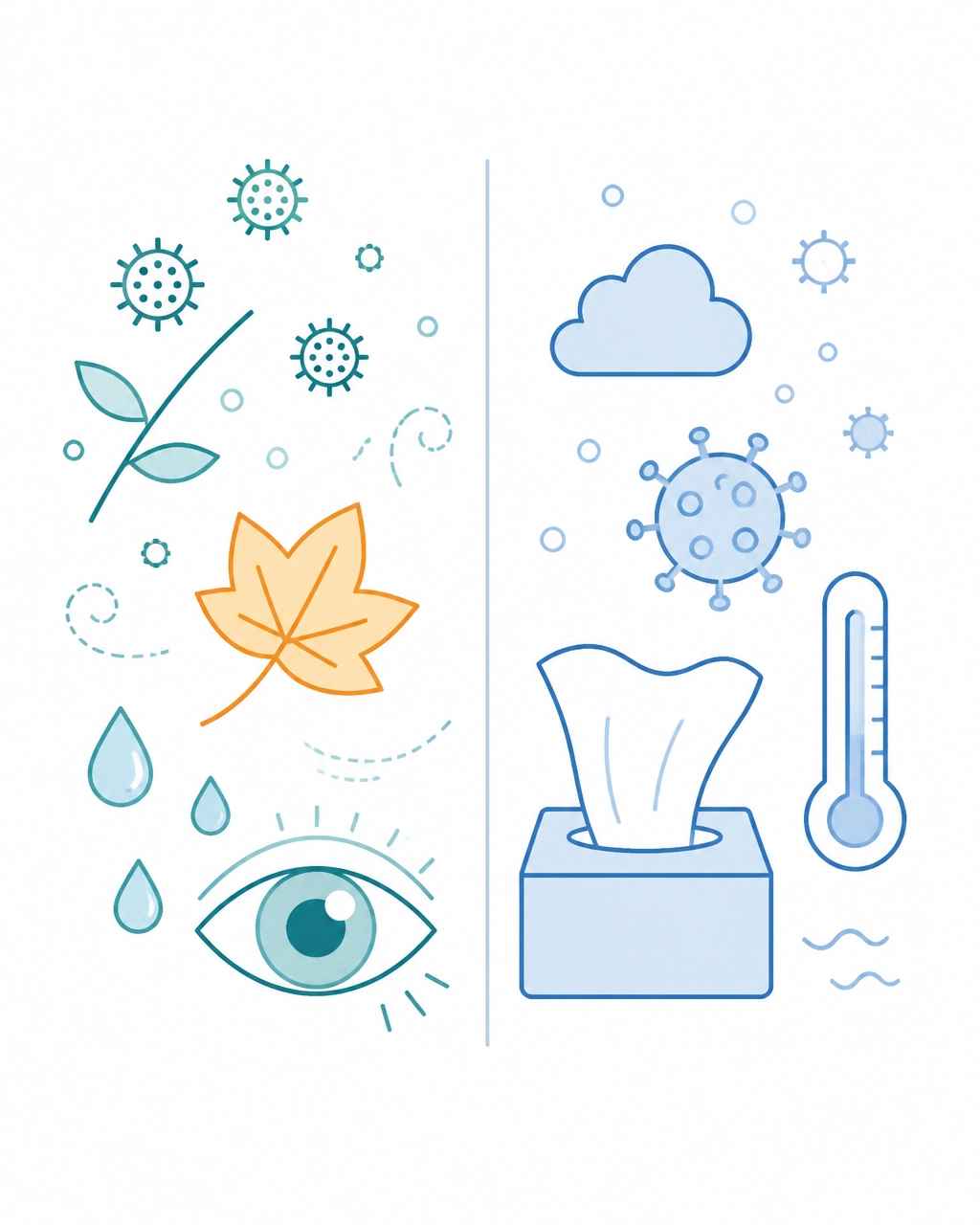
A runny nose can mean many things. In September, it may be caused by ragweed pollen, outdoor mold, a common cold, or another respiratory illness. The symptoms often overlap, making it hard to know whether you should reach for an antihistamine, stay home and rest, or schedule an appointment.
This guide explains the most useful clues. You will learn how fall allergies and cold symptoms differ, why mucus color can be confusing, when a fever matters, and how long each condition usually lasts. You will also learn how to spot signs that may point to a sinus infection and when to contact a primary care doctor or allergist.
You do not need to diagnose yourself perfectly. Start with the pattern. Ask what symptoms appeared first, how long they have lasted, and whether they improve when you avoid pollen or take an allergy medicine. Then use a trusted provider directory to find help if symptoms continue.
Takes 60 seconds to start comparing nearby providers on Medical Online Directory.
Why fall allergies and colds are easy to confuse
Fall allergies and colds can both cause:
- A runny or stuffy nose
- Sneezing
- Coughing
- Throat irritation
- Postnasal drip
- Tiredness
- Trouble sleeping
The difference is usually the cause.
A cold is caused by a virus. It often develops after contact with someone who is sick. Symptoms may build over a day or two, peak within a few days, and then gradually improve.
Fall allergies happen when your immune system reacts to outdoor triggers such as ragweed pollen, grass pollen, weeds, or mold spores. Symptoms may appear soon after exposure. They can continue for weeks while the trigger remains in the environment.
The name “hay fever” can also create confusion. Allergies do not cause a fever. If you have a true fever, chills, or significant body aches, an infection is more likely than seasonal allergies.
Still, no single symptom gives a perfect answer. A person can have allergies and catch a cold at the same time. Children may also describe symptoms differently from adults. Looking at the full pattern is more useful than focusing on one detail.
Fall allergies vs. cold symptoms , the quick comparison
| Symptom or clue | Fall allergies | Common cold |
|---|---|---|
| Itchy eyes | Very common, especially with watery or red eyes | Less common |
| Nasal mucus | Usually clear, thin, and watery | May become thicker; color may change |
| Fever | Not expected | Possible, often low-grade |
| Body aches | Uncommon | Possible |
| Onset | Often follows exposure to pollen or mold | Often develops over one to three days |
| Duration | May last for weeks while exposure continues | Usually improves within about a week; some symptoms can last up to 10–14 days |
| Time of year | Often returns during the same season each year | Can happen at any time |
| Response to antihistamines | Sneezing, itching, and watery drainage may improve | May provide limited relief but does not treat the virus |
| Contagious | No | Yes, especially early in the illness |
| Outdoor pattern | May worsen outdoors or after yard work | Usually does not follow a pollen or location pattern |
This table is a starting point, not a diagnosis. If symptoms are severe, persistent, or unusual for you, a healthcare professional can help.
Itchy or watery eyes point more strongly to allergies
Itchy eyes are one of the clearest clues that allergies may be involved. Fall allergies can cause eyes to feel:
- Itchy
- Watery
- Red
- Gritty
- Puffy
You may also notice itching in your nose, throat, or the roof of your mouth. Sneezing may happen in repeated bursts, particularly after spending time outdoors, opening windows, mowing the lawn, or raking leaves.
A cold can cause watery eyes, but intense itching is less typical. A cold is more likely to bring a sore throat, cough, fatigue, or a general feeling of being unwell.
Try noticing when the symptoms appear. If they become worse after outdoor exposure and improve when you spend time indoors, allergies become more likely. This pattern is especially useful when symptoms return every year around the same time.
Clear mucus does not prove allergies : but it is a useful clue
Allergy-related nasal drainage is commonly clear, thin, and watery. You may feel as if your nose is constantly running. Congestion can also occur because the nasal lining becomes swollen.
Cold mucus may also start clear. As the illness develops, it can become thicker or change to white, yellow, or green. That color change does not automatically mean you have a bacterial infection or need antibiotics. Mucus can change color during a normal viral cold.
Look at the full picture:
- Clear, watery mucus plus itchy eyes and no fever: allergies are more likely.
- Thicker mucus plus sore throat, cough, fatigue, or fever: a cold or another infection is more likely.
- Thick mucus plus facial pain, worsening symptoms, or symptoms lasting more than 10 days: contact a healthcare professional.
Mucus color alone cannot tell you what is happening. Timing, associated symptoms, and the direction of change matter more.
Fever and body aches are more consistent with infection
Seasonal allergies do not cause a fever. They can make you feel tired because congestion interrupts sleep, but they do not usually cause chills or widespread body aches.
A cold may cause:
- A low-grade fever
- Mild headache
- Mild body aches
- Fatigue
- Sore throat
- Cough
Other respiratory viruses can cause stronger symptoms. If you have a high fever, severe aches, shortness of breath, or rapidly worsening symptoms, do not assume you have a simple cold.
For guidance on typical cold duration and warning signs, review the CDC’s common cold information. The CDC advises contacting a healthcare professional when symptoms last more than 10 days without improvement, when a fever lasts longer than four days, or when symptoms improve and then return or worsen.
How long do fall allergies and colds last?
Duration is one of the most useful ways to compare the two.
Allergy symptoms
Fall allergy symptoms may last:
- Several weeks
- The full pollen season
- Longer when outdoor mold or other triggers remain present
Symptoms may come and go. You might feel better after rain, while indoors, or after taking an allergy medicine. They may return after yard work or time outside.
Cold symptoms
A common cold often follows a more predictable course:
- Symptoms develop over one to three days.
- Symptoms peak within a few days.
- You gradually start to feel better.
- Most symptoms improve within about a week.
- A cough or stuffy nose may linger for up to 10–14 days.
A cold should generally improve over time. If you keep getting worse instead of better, contact a provider.
Antihistamines can offer another clue
Antihistamines are commonly used to reduce allergy symptoms such as sneezing, itching, and watery nasal drainage. If these symptoms improve noticeably after using an over-the-counter allergy medicine as directed, allergies may be part of the problem.
That response is not a perfect test. Some cold medicines also contain antihistamines, and certain products may temporarily reduce a runny nose without treating the infection. Always read the label. Ask a pharmacist or healthcare professional if you are unsure what is safe for you or your child.
Nasal sprays, saline rinses, and reducing exposure to pollen may also help with allergies. Follow product directions carefully. Some nasal decongestant sprays should not be used for more than a few days because they can cause rebound congestion.
Children, older adults, pregnant people, and people with high blood pressure or other health conditions may need specific medication guidance. When in doubt, ask a pharmacist or doctor.
Tell the difference in three questions
When you are unsure whether you have fall allergies or a cold, ask these three questions.
1. Are my eyes or nose itchy?
If itching is a major symptom, particularly itchy and watery eyes, allergies are more likely.
If your main symptoms are sore throat, cough, fatigue, or body aches without much itching, a cold is more likely.
2. Do I have a fever or significant body aches?
A fever is not expected with seasonal allergies. Fever, chills, or notable body aches suggest a cold or another infection.
If you have trouble breathing, chest tightness, confusion, severe weakness, or signs of dehydration, seek prompt medical care.
3. What is the timeline?
Symptoms lasting for weeks and following the same fall pattern each year suggest allergies.
Symptoms that appeared recently, peaked within a few days, and are now improving suggest a cold.
When the answers are mixed, you may have both conditions. A primary care doctor can evaluate your symptoms and recommend next steps. An allergist can help identify triggers if symptoms return every season or remain difficult to control.

When allergies can lead to sinus problems
Allergies do not turn into an infection by themselves. However, ongoing allergy-related swelling can block normal drainage from the nose and sinuses. That blockage may create conditions where sinus inflammation or infection develops.
Contact a healthcare professional if you notice:
- Facial pain or pressure around the cheeks, forehead, or eyes
- Severe congestion that does not improve
- Thick nasal drainage with worsening symptoms
- Symptoms lasting more than 10 days without improvement
- Symptoms that improve and then become worse again
- Fever with facial pain or significant nasal congestion
- Swelling around the eyes or changes in vision
A yellow or green discharge alone does not prove a bacterial sinus infection. Your provider will consider the duration, severity, and overall pattern before recommending treatment.
Seek urgent care for difficulty breathing, swelling around the eyes, severe headache, confusion, fainting, or rapidly worsening illness.
When can you manage symptoms at home?
Home care may be reasonable when symptoms are mild and improving. Helpful steps may include:
- Resting and drinking fluids
- Washing your hands often
- Avoiding smoke and other irritants
- Keeping windows closed when pollen counts are high
- Showering after outdoor activities
- Changing clothes after yard work
- Using a clean saline nasal rinse as directed
- Taking an allergy medicine according to the label
- Using a humidifier that is cleaned regularly
- Staying home while respiratory symptoms are active and not clearly explained by allergies
If you think you have a cold, avoid sharing drinks, food, or personal items. Consider masking around people at higher risk for serious illness.
Do not start antibiotics without medical advice. Antibiotics do not treat viruses or seasonal allergies.
When should you see a doctor or allergist?
Consider scheduling a primary care visit when:
- You cannot tell whether symptoms are allergies or an infection.
- Symptoms interfere with sleep, school, work, or exercise.
- Symptoms last longer than expected.
- You need over-the-counter medicine frequently.
- You have asthma, wheezing, or repeated breathing symptoms.
- You develop fever, facial pain, or worsening congestion.
- Symptoms improve and then return more severely.
An allergist may be helpful when symptoms return every fall, when you do not know your triggers, or when standard allergy treatments do not provide enough relief. An allergist can discuss testing, personalized treatment, and longer-term options.
A primary care doctor is often a useful first step. They can review the whole picture, treat common conditions, and guide you to an allergy specialist when needed.
You can also read our Family Doctor Selection: Choosing the Best PCP Explained for help choosing a primary care provider.
How to find an allergist or primary care doctor nearby
Medical Online Directory helps you search, compare, and connect with providers using practical filters. Start with the doctor search page, then narrow your results by:
- Specialty : Search for Allergy & Immunology, Family Medicine, Internal Medicine, or Pediatrics.
- Location : Enter your city, state, or ZIP code.
- Insurance : Filter for providers who list your health plan.
- Accepting new patients : Focus on offices that currently welcome new patients.
- Telehealth : Look for virtual visit availability when traveling to an office is difficult.
- Reviews : Compare real patient feedback and provider details.
- Map or list view : Choose the format that makes nearby options easiest to review.
You can browse allergists and Allergy & Immunology providers or search for primary care doctors accepting new patients.
Insurance details can change. Before scheduling, confirm coverage with both the provider’s office and your insurance plan. Our guide to Insurance Friendly Doctors: How to Find In-Network Care Explained walks through that process.
Medical Online Directory features verified provider profiles and real patient reviews, with a 4.8★ average rating across the platform. These trust signals can help you compare options, but online information should support: not replace: professional medical advice.

The simple takeaway
Fall allergies are more likely when you have:
- Itchy, watery eyes
- Clear, thin nasal drainage
- Repeated sneezing
- No fever
- Symptoms that last for weeks
- Symptoms that return each fall
- Relief after avoiding pollen or taking an antihistamine
A cold is more likely when you have:
- A sore throat
- Cough
- Fatigue or body aches
- Possible low-grade fever
- Thicker mucus
- Symptoms that peak and then improve over about a week
If symptoms are severe, persistent, or getting worse, contact a healthcare professional. You do not need to wait until you are certain whether the cause is an allergy or a cold.
Find a doctor near you on Medical Online Directory. Takes 60 seconds.
Founding Provider : Claim your free 90-day Verified trial
Limited slots remain for founding providers. Claim a verified profile, show your accepted insurance and telehealth options, and help nearby patients find your practice. Free, no obligation.
Medical Online Directory footer
Medical Online Directory helps patients search, compare, and connect with verified healthcare providers and facilities. Information in this article is for general education and is not a diagnosis or a substitute for care from a qualified healthcare professional. Seek urgent medical help for emergencies.
Find a doctor · Browse facilities · About Medical Online Directory · Contact us
Healthcare providers: Claim your listing and ask about the limited Founding Provider free 90-day Verified trial.
Affiliates: Join the Medical Online Directory affiliate program and earn a 20% recurring commission. Free, no obligation. Unsubscribe anytime.
Found this article helpful?