Medical Breakthroughs of 2026: Healthcare Innovations Explained
Explore the top medical breakthroughs of 2026, from gene editing to AI diagnostics. Learn how these healthcare innovations are changing patient care today.

Healthcare innovation can sound distant. It can bring to mind complex research papers, laboratory equipment, or treatments that may not reach patients for years.
In 2026, the picture is becoming more practical.
Some advances are already approved for specific patients. Others are moving through clinical trials. Many are promising but still need more evidence. The important point is simple: medical research is moving toward earlier detection, more personalized treatment, easier access, and better tools for supporting patients and clinicians.
This guide explains the most important healthcare innovations shaping 2026 : without assuming a medical background.
It also explains what these developments mean in everyday life, what remains experimental, and how to make informed decisions when reading medical news.
Medical Breakthroughs of 2026, Explained: What Counts as a Breakthrough?
A breakthrough is not always a brand-new cure.
It may be:
- A treatment that helps people with a rare condition for the first time.
- A safer or easier way to deliver an existing therapy.
- A test that helps clinicians identify the right treatment sooner.
- A device that supports care at home.
- A research method that makes future discoveries faster.
- A clinical trial that shows a treatment may help people who previously had few options.
The word “breakthrough” can create unrealistic expectations. A treatment can be scientifically important without being available to everyone. It may only work for a specific genetic change, disease stage, or age group.
That is why patients should ask three basic questions:
- Is this treatment approved for my condition?
- Is it being studied in a clinical trial?
- What are the known benefits, risks, costs, and alternatives?
The FDA’s 2026 novel drug approvals and notable approvals list are useful places to check whether a medicine has received regulatory approval. Approval does not mean a treatment is right for every person. It means regulators have reviewed evidence for a specific use.
1. Gene Editing and Gene Therapy Are Becoming More Targeted
Gene therapy aims to treat disease by changing how cells use genetic information. In simple terms, it may replace a missing instruction, add a working copy of a gene, or alter a gene that is causing harm.
Gene editing is more precise. It attempts to make a targeted change inside the genetic code.
The most widely discussed editing tool is CRISPR. Think of CRISPR as a programmable set of biological tools. Researchers design it to find a particular genetic sequence. The goal is to correct, remove, or adjust that sequence.
The promise is significant for inherited conditions. Instead of managing symptoms throughout a person’s life, a one-time treatment may address an underlying cause.
Gene therapy for genetic hearing loss
One of the notable FDA actions of 2026 was approval of the first gene therapy for genetic hearing loss, according to the FDA announcement.
The treatment is intended for certain patients with severe-to-profound hearing loss linked to specific changes in the OTOF gene. This is an important distinction. It is not a treatment for every type of hearing loss.
The development still matters because it shows how medicine is becoming more condition-specific. A person’s genetic information can help identify whether a targeted therapy may work.
Expanding options for sickle cell disease
Gene therapies for sickle cell disease are also expanding. The FDA has reported approvals involving gene therapies for patients with sickle cell disease, including younger patients, as described in its gene therapy announcement.
These treatments can involve collecting a patient’s own blood-forming stem cells, changing them in a specialized facility, and returning them to the body after preparation.
This is not a simple office visit. It can require:
- A specialist treatment center.
- Several appointments and tests.
- Conditioning treatment before the cells are returned.
- Long-term follow-up.
- Careful review of possible risks and side effects.
Still, the direction is important. Gene therapies are moving from research-only ideas into carefully selected clinical care.
What patients should know about gene editing
Gene editing is not a universal solution. Many treatments remain in early research or clinical trials.
Before considering a gene or cell therapy, ask:
- Which exact condition does it treat?
- Is it approved or experimental?
- Does my genetic test match the treatment criteria?
- How long does follow-up continue?
- Are travel, hospital, and monitoring costs covered?
- What happens if the treatment does not work?
The FDA also released a framework for individualized therapies for ultra-rare diseases. This may help researchers study treatments for very small patient groups when large traditional trials are difficult to conduct.
The opportunity is encouraging. The responsibility is equally important : proving that a therapy is safe, useful, and accessible.
2. Artificial Intelligence Is Supporting Earlier Detection

Artificial intelligence, or AI, is one of the most visible healthcare trends of 2026.
In healthcare, AI usually refers to software that reviews large amounts of information and identifies patterns. It may help analyze images, ECG results, laboratory data, medical records, or wearable-device readings.
AI does not replace the patient-provider relationship. In responsible care, it supports a qualified professional who reviews the result, considers the patient’s history, and decides what to do next.
AI in medical imaging
Imaging systems can produce thousands of data points. AI tools may help highlight areas that deserve closer review on a CT scan, MRI, mammogram, or other image.
This may help clinicians:
- Notice possible concerns earlier.
- Prioritize urgent cases.
- Compare current images with older scans.
- Reduce repetitive review work.
- Support more consistent analysis.
However, an AI flag is not the same as a diagnosis. A flagged area may be harmless. A normal-looking image may not explain every symptom.
Patients should never change treatment based only on an app, scan summary, or automated alert. The next step is a conversation with a qualified healthcare professional.
AI and heart health
AI systems are also being studied for ECG analysis and risk prediction. A tool may identify patterns associated with an irregular heartbeat or a higher risk of a cardiac event.
Wearables are adding another layer. Smartwatches and other devices can monitor heart rate, rhythm, activity, sleep, and other signals. Some can alert users when a measurement looks unusual.
These tools are useful for noticing patterns. They are not perfect. A wearable can produce false alarms, miss a problem, or measure something incorrectly because of movement or poor contact with the skin.
When an alert appears, focus on the full picture:
- What did the device measure?
- Was the reading repeated?
- Are symptoms present?
- Does the person have a known heart condition?
- What does a clinician recommend?
AI in drug discovery
Researchers are also using AI to examine biological data and identify possible drug targets. This can help narrow down which molecules or pathways deserve further study.
The benefit is speed. AI can analyze patterns that would take humans much longer to review.
The limitation is evidence. A promising computer prediction still needs laboratory testing, animal research when appropriate, and human clinical trials.
That distinction matters. “AI identified a possible treatment target” does not mean “AI discovered a proven cure.”
FDA oversight is evolving
The FDA’s 2026 digital health initiatives show that regulators are developing new ways to evaluate digital health and medical device technologies.
The FDA has also discussed real-time clinical trials, which use more continuous data and flexible research methods. These approaches may help researchers learn faster while maintaining attention to safety.
For patients, the practical lesson is clear: ask whether an AI tool is approved for the specific purpose being discussed. Ask who reviews its output. Ask how your personal data is handled.
3. Cancer Care Is Moving Toward More Personal Treatment
Cancer is not one disease. It is a large group of diseases that can behave differently from one person to another.
That is why many 2026 advances focus on matching treatment to the biology of a particular cancer.

Personalized immune-cell treatment
The immune system can sometimes recognize and attack cancer. New treatments aim to help it do that more effectively.
Tumor-infiltrating lymphocyte, or TIL, therapy uses immune cells that have entered a tumor. Researchers collect those cells, grow more of them in a laboratory, and return them to the patient.
The National Cancer Institute has reported progress in personalized TIL therapy, including its use in advanced melanoma. Newer research is studying whether personalized immune-cell treatment can help patients with other cancers.
Early results can be encouraging without proving that the approach will work for everyone. These treatments may involve complex preparation, specialized facilities, and significant side effects.
Targeted treatments for cancer mutations
Targeted treatments focus on a specific change that helps cancer grow.
For example, researchers continue studying treatments aimed at KRAS changes in pancreatic cancer. The National Cancer Institute’s pancreatic cancer research information explains how targeted therapy and immunotherapy are being studied for advanced disease.
Other research platforms, including NCI’s ComboMATCH program, test combinations of treatments based on genetic features inside a tumor.
The goal is to stop relying on a one-size-fits-all approach. A treatment may be selected because it matches a tumor’s specific features, not only because of where the tumor began.
Personalized cancer vaccines
Cancer vaccines are designed to train the immune system to recognize cancer-related targets.
Some personalized vaccine studies use information from an individual’s tumor to select targets that may be unique to that person’s cancer. These vaccines are still being studied in clinical trials.
Patients should be cautious when reading headlines about a “cancer vaccine.” Some vaccines prevent infections that can lead to cancer. Others are therapeutic vaccines designed for people who already have cancer. The terms are related but not interchangeable.
The American Association for Cancer Research’s 2026 forecast provides useful context about cancer vaccines, immunotherapy, and precision treatment.
Liquid biopsy and cancer monitoring
Liquid biopsy tests examine small pieces of tumor-related material found in blood.
They may help clinicians:
- Identify certain genetic changes.
- Select a targeted treatment.
- Monitor whether cancer-related signals are changing.
- Look for signs that cancer may remain after treatment.
Some liquid biopsy tests are already cleared or approved for specific uses. Others are still being studied.
Multi-cancer early detection tests receive significant attention, but they require careful interpretation. As the NIH-hosted research summary notes, these tests are not automatically approved for general population screening. A test result may require follow-up imaging, laboratory work, or a tissue biopsy.
A blood test that suggests a possible concern does not confirm cancer. A negative result does not eliminate every possibility.
4. Vaccines and Infection Prevention Are Becoming More Flexible
Vaccines remain one of the most effective ways to prevent serious illness. In 2026, researchers and public health organizations are focusing on broader protection, easier delivery, and faster responses to changing infections.
New vaccine platforms
Researchers are studying vaccine platforms that can be updated more efficiently when viruses change. This includes work on influenza, COVID-19, and other infectious diseases.
The goal is not just to create a vaccine quickly. It is to create protection that is:
- Effective against relevant strains.
- Safe for the intended population.
- Easy to distribute.
- Affordable enough to reach people who need it.
- Practical to store and administer.
Vaccines and antibiotic resistance
Antibiotic resistance makes infections harder to treat. One way to reduce antibiotic use is to prevent infections before they occur.
The World Health Organization estimates that expanded vaccine use could reduce global antibiotic use by about 22%, based on its analysis of vaccines and antimicrobial resistance.
This is an important reminder that innovation is not limited to high-tech devices. A well-used vaccine can prevent illness, reduce hospital visits, and lower the need for antibiotics.
New options after exposure
The FDA’s 2026 approvals list includes new approaches to preventing illness after exposure to an infection. These options may be useful for specific situations, but they do not replace routine vaccination or public health guidance.
Patients should ask:
- Is this treatment for prevention or for an active infection?
- How soon must it be used?
- Is it appropriate for my age and health history?
- Does it interact with other medicines?
- Is it covered by my insurance?
5. Easier At-Home and Remote Care Is Expanding
Healthcare innovation also means making care easier to reach.
Remote monitoring, telehealth, home-based treatment, and digital scheduling can help people manage care without unnecessary travel. This may be especially helpful for people with mobility challenges, caregiving responsibilities, busy work schedules, or limited access to local specialists.
The FDA has highlighted pathways intended to help some innovative medical devices move from authorization toward Medicare coverage more efficiently. Its RAPID Coverage Pathway announcement reflects a broader focus on access.
At-home care may include:
- Medication administration under remote supervision.
- Follow-up visits by video.
- Wearable monitoring.
- Home blood pressure or glucose tracking.
- Digital rehabilitation programs.
- Remote review of symptoms and recovery progress.
Convenience still requires safety. A telehealth visit may not be appropriate when a physical exam, imaging, or urgent treatment is needed.
When choosing a provider, check whether the profile clearly shows:
- Telehealth availability.
- Whether the provider is accepting new patients.
- Insurance plans accepted.
- Languages spoken.
- Specialty and condition experience.
- Office location and estimated visit cost.
You can use the Medical Online Directory provider search to search by specialty, location, condition, insurance, and language. List and map views help you compare options more easily.
How Patients Can Use Medical News Safely
Medical news should help you ask better questions. It should not pressure you into an unproven treatment.
Use this simple process when you see a headline about a new breakthrough.
Check the status
Look for words such as:
- Approved.
- Authorized.
- Cleared.
- In a Phase 1 trial.
- In a Phase 2 or Phase 3 trial.
- Under review.
- Preclinical.
- Available only through research.
These words describe very different stages.
Check who may benefit
A treatment may only apply to people with:
- A specific genetic change.
- A particular cancer type.
- A certain disease stage.
- A specific age range.
- A certain level of disease severity.
- Previous treatment history.
Check the source
Start with reliable sources, including:
- The FDA.
- The National Institutes of Health.
- The National Cancer Institute.
- The World Health Organization.
- A university medical center.
- A peer-reviewed medical journal.
Be careful with dramatic claims that do not explain the study size, comparison group, follow-up period, or limitations.
Talk with the right provider
A primary care provider can help explain general options and coordinate referrals. A specialist may be needed for a condition-specific decision.
Medical Online Directory helps patients search, comparing verified provider profiles and real patient reviews. The platform lists 37+ verified providers across 12+ medical specialties, with more than 12,966 patient reviews and a 4.8★ average rating.
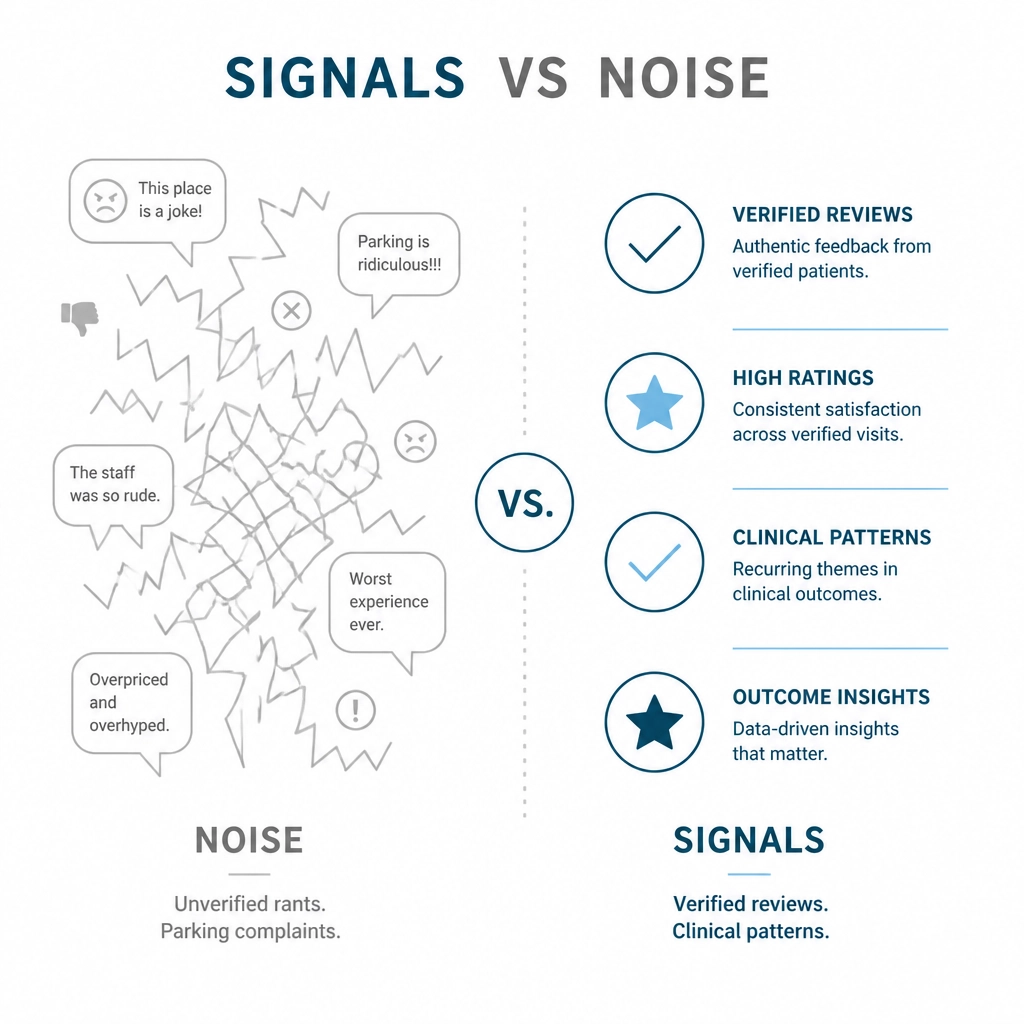
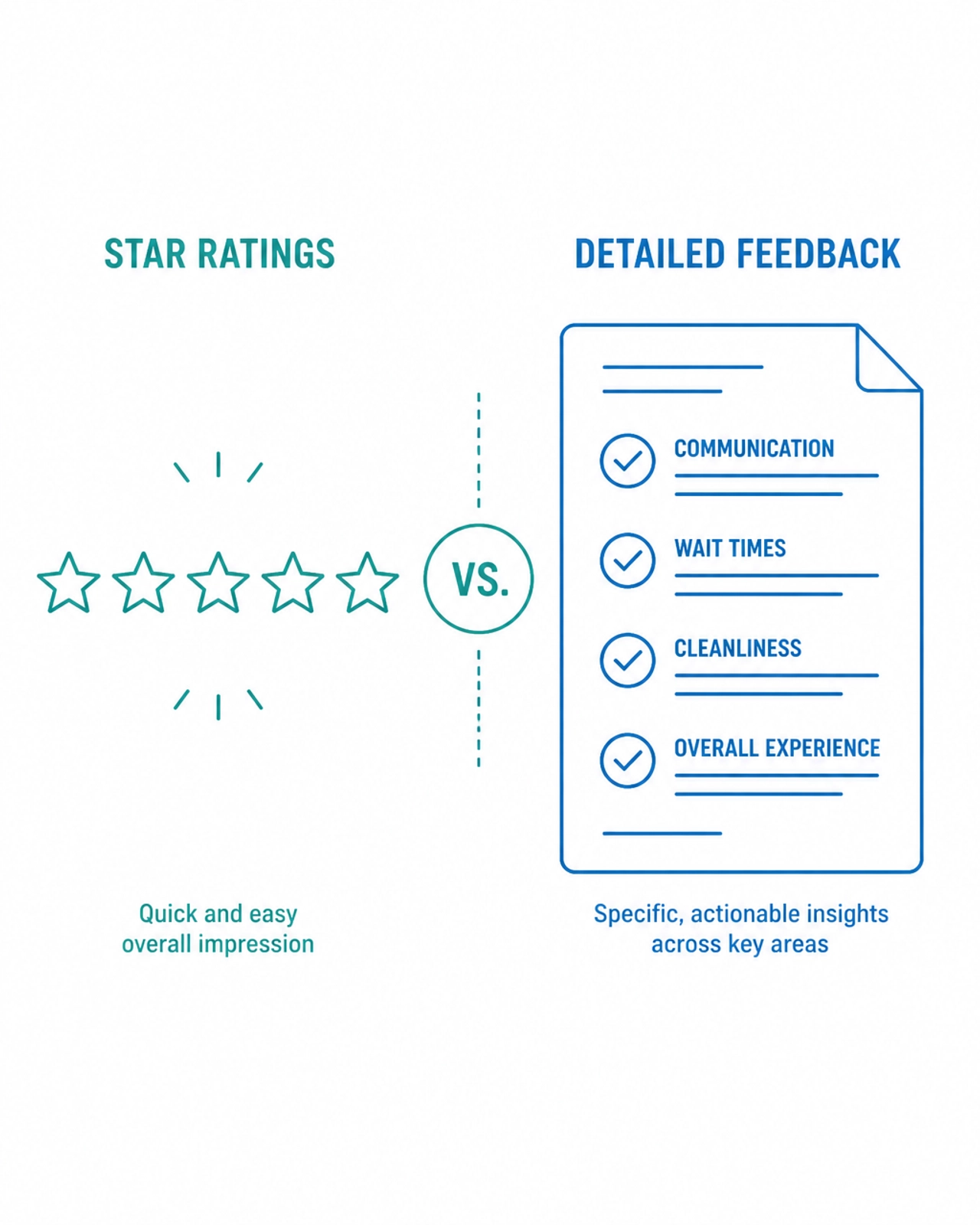
Reviews can help you understand communication, scheduling, and the patient experience. They should support : not replace : a conversation about qualifications, diagnosis, treatment options, and risks. Our guide on how to read doctor reviews explains how to look for consistent patterns instead of relying on one star rating.
You can also use the compare feature to narrow your choices.
Find the right provider : Takes 60 seconds
Searching for care does not need to become a long research project.
Start by entering:
- Your specialty or symptom.
- Your location.
- Your insurance, if relevant.
- Whether you need telehealth.
- Your preferred language.
- Whether you need a provider accepting new patients.
Then review profiles, compare options, and choose your next step.
Takes 60 seconds. Free, no obligation. Unsubscribe anytime.
The Bottom Line: Innovation Is Moving Closer to Everyday Care
The biggest healthcare innovations of 2026 are not all at the same stage.
Some gene therapies are now approved for carefully defined conditions. AI is supporting imaging, monitoring, and research while clinicians remain responsible for medical decisions. Cancer care is becoming more personalized through immune-cell therapies, targeted treatments, cancer vaccines, and blood-based testing. Vaccines are helping prevent infections and reduce antibiotic resistance. Remote care is making selected services easier to access.
The future of medicine is not one single technology. It is a connected system of better research, clearer information, earlier action, and more personalized care.
For patients, the best next step is staying curious without rushing. Check the evidence. Confirm whether a treatment is approved. Ask a qualified provider how the information applies to your situation.
For healthcare providers, this shift creates an urgent opportunity. Patients are searching for trustworthy guidance, accessible care, and clear information now. A complete, verified profile can help your practice stand out when patients are comparing providers.
🚨 Founding Provider : Claim your free 90-day Verified trial
Founding availability is limited. Secure your exclusive Verified listing before local competitors claim the remaining slots. Claim your free 90-day trial : free, no obligation. Takes 60 seconds to get started.
Frequently Asked Questions
What is the biggest medical breakthrough of 2026?
There is no single biggest breakthrough. Gene therapies, AI-supported diagnostics, personalized cancer treatments, new vaccines, liquid biopsy testing, and remote care are all important areas. Their value depends on the condition, evidence, availability, and patient.
Are all 2026 medical breakthroughs available to patients?
No. Some are approved for specific uses. Others are available only through clinical trials or specialized treatment centers. Many remain in early research. Always check the treatment’s approval status and speak with a qualified provider.
Can AI diagnose a medical condition by itself?
AI can support image review, monitoring, and risk assessment. It should not replace a qualified clinician. A healthcare professional must interpret the result alongside symptoms, history, examination findings, and other tests.
How can I find a provider to discuss a new treatment?
Use the Medical Online Directory to search by specialty, location, condition, insurance, language, telehealth availability, and new-patient status. You can also compare verified profiles and real patient reviews.
Sources and Further Reading
- FDA Novel Drug Approvals : 2026
- FDA Notable Drug Approvals
- FDA Gene Therapy for Genetic Hearing Loss
- FDA Individualized Therapies for Ultra-Rare Diseases
- National Cancer Institute : Targeted Therapies
- National Cancer Institute : Pancreatic Cancer Research
- National Cancer Institute : ComboMATCH Updates
- World Health Organization : Vaccines and Antimicrobial Resistance
Meta title: Medical Breakthroughs of 2026: Healthcare Innovations Explained
Meta description: Explore medical breakthroughs of 2026, from gene therapy and AI diagnostics to cancer vaccines, remote care, and safer patient decisions.
Category: Medical News
Affiliate footer: Healthcare partners and creators can join the Medical Online Directory affiliate program and earn a 20% recurring commission for 12 months on eligible listing subscriptions. Applications are free, with no obligation.
Found this article helpful?