Choosing an Ophthalmologist, explained
Need an eye specialist? Learn how to find an ophthalmologist near me, compare MDs vs. optometrists, and use patient reviews to choose the best medical eye care.
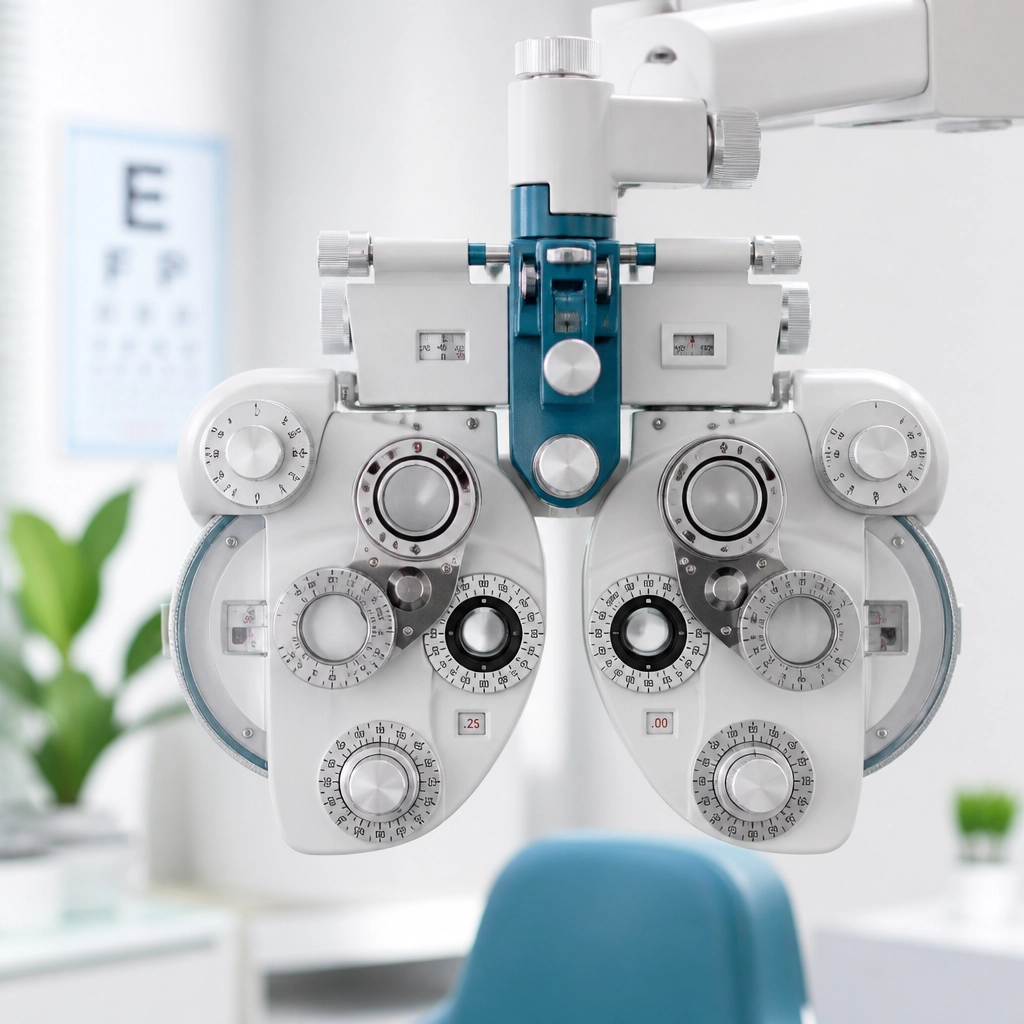
Maintaining your vision is an active, lifelong process that requires the right professional guidance. Whether you are noticing sudden changes in your sight or simply looking for the best eye doctor for a routine checkup, navigating the world of eye care can feel overwhelming. This guide is written for real people who need clear, practical steps to find specialized care without the confusion of medical jargon.
Finding an ophthalmologist near me is often the first step in addressing serious eye health concerns. Unlike routine vision tests, consulting an ophthalmologist involves seeing a medical doctor who specializes in the full spectrum of eye health, from prescribing lenses to performing complex surgeries.
The Three O’s of Eye Care, explained
Understanding who does what is the foundation of effective eye care. The industry is divided into three primary roles, each serving a specific purpose in maintaining your vision.
1. Ophthalmologists (The Specialists)
Ophthalmologists are medical doctors (MDs) or osteopathic doctors (DOs). They have completed at least eight years of additional medical training after university. These professionals are licensed to practice medicine and perform surgery. If you are searching for an eye doctor near me to treat a disease like glaucoma or to perform cataract surgery, this is the specialist you need.
2. Optometrists (The Primary Care Providers)
Optometrists hold a Doctor of Optometry (OD) degree. They focus on primary vision care. This includes performing eye exams, testing for vision changes, and prescribing corrective lenses. While they are not surgeons, they are excellent at detecting many eye diseases and managing common conditions like dry eye or minor infections.
3. Opticians (The Technicians)
Opticians do not perform exams or diagnose conditions. They are technicians trained to design, verify, and fit eyeglass lenses and frames. They use the prescriptions provided by ophthalmologists or optometrists to ensure your eyewear is comfortable and accurate.
| Feature | Ophthalmologist (MD/DO) | Optometrist (OD) | Optician |
|---|---|---|---|
| Primary Focus | Medical & Surgical Care | Vision Care & Diagnosis | Lens Fitting & Adjustments |
| Can Perform Surgery? | Yes | No | No |
| Can Prescribe Lenses? | Yes | Yes | No |
| Education | 12+ Years | 8 Years | 1-2 Years |
| Best For | Complex diseases, surgery | Routine exams, glasses | Buying & fitting glasses |
When to see an Ophthalmologist
Deciding between an optometrist and an ophthalmologist depends on your current symptoms and health history. Seeing an ophthalmologist is essential when you require specialized medical intervention: beyond a simple lens update.
You should prioritize an appointment with an ophthalmologist if you experience:
- Sudden loss of vision or severe eye pain.
- Persistent flashes of light or new "floaters" in your vision.
- Physical injuries to the eye or chemical exposure.
- Symptoms of chronic conditions like diabetes or high blood pressure that affect eye health.
- Known family history of glaucoma or macular degeneration.
Navigating the search for the best eye doctor
Finding the right provider involves more than just a quick online search. It requires evaluating several factors to ensure you receive thorough, compassionate care.
Checking insurance and coverage
High-quality eye care should be accessible. Before booking, verify that the specialist is in-network with your insurance plan. This reduces your out-of-pocket costs and simplifies the billing process. Most professional directories: including Medical Online Directory: allow you to filter providers specifically by your insurance carrier, ensuring you only see doctors who accept your plan.
Evaluating patient reviews
Reading verified reviews is a powerful way to gauge the patient experience. When you look at reviews to find an ophthalmologist, focus on three key areas:
- Bedside Manner: Does the doctor listen and explain conditions in plain language?
- Thoroughness: Do patients feel the exam was comprehensive or rushed?
- Wait Times: Is the office efficient, or are appointments frequently delayed?
By focusing on these patterns, you can identify providers who prioritize patient comfort as much as clinical expertise.
Questions to ask before you book
Taking 60 seconds to ask the right questions over the phone can save you hours of frustration later. When calling a new office, consider asking:
- "Is the doctor board-certified in ophthalmology?"
- "Does the office specialize in [your specific condition, e.g., cataracts]?"
- "Are you currently accepting new patients?"
- "Do you offer telehealth consultations for follow-up appointments?"
- "What is the estimated cost for an initial diagnostic visit?"
Being proactive ensures there are no surprises when you arrive at the clinic.

Finding specialists for specific conditions
Eye health is a broad field, and many ophthalmologists specialize in niche areas. Finding a provider with expertise in your specific concern can significantly improve your treatment outcome.
Cataracts and surgical care
If your vision is becoming cloudy or dim, you may need a cataract specialist. These surgeons focus on removing the clouded lens and replacing it with an artificial one. It is a common procedure, but choosing a surgeon who performs high volumes of these surgeries annually is vital for the best results.
Glaucoma management
Glaucoma is often called the "silent thief of sight" because it can progress without early symptoms. A glaucoma specialist focuses on managing intraocular pressure through medication, laser treatments, or surgery to prevent vision loss.
LASIK and refractive surgery
If you are tired of wearing glasses or contacts, you might search for a refractive surgeon. These specialists use lasers to reshape the cornea. When searching for the best eye doctor for LASIK, look for those who offer free, no-obligation consultations to determine if you are a good candidate.
Diabetic eye exams
Diabetes can damage the blood vessels in the retina, leading to diabetic retinopathy. Regular screenings by an ophthalmologist are necessary for managing this risk: ensuring early detection before permanent damage occurs.
How Medical Online Directory simplifies your search
Finding a trusted professional shouldn't be a full-time job. Our platform is designed to demystify the healthcare landscape, providing a low-friction way to connect with verified providers.
Filtering by specialty and location
Our advanced search filters allow you to narrow down results by your specific needs. Whether you need a pediatric ophthalmologist or a retina specialist, you can find them in your neighborhood with just a few clicks.
Verifying insurance and availability
We understand that your time is valuable. Our directory highlights providers who are currently accepting new patients and indicates those who offer telehealth services: helping you get the care you need when you need it.
Reading real patient feedback
With over 12,966 patient reviews and an average 4.8★ rating across our listed providers, you can browse with confidence. We prioritize transparency, showing you exactly what other patients experienced before you ever step foot in the office.
Staying proactive with eye health
Maintaining your vision is about more than just reacting to problems: it is about staying ahead of them. Regular checkups can catch issues like high eye pressure or early-stage macular degeneration before they impact your daily life.
By choosing a provider who matches your medical needs and your personal communication style, you create a partnership that protects your sight for years to come. Remember, the right eye doctor is out there: finding them is simply a matter of using the right tools and asking the right questions.
If you are ready to take the next step, you can browse our list of verified ophthalmologists today. It takes 60 seconds to start your search, and there is no obligation to book. Explore your options and find the expert care you deserve.
For more information on how we verify our providers, visit our FAQ page or learn more about our mission to connect patients with trusted healthcare.
Found this article helpful?