How to Find a Back Pain Specialist: Your Guide to Relief
Learn how to choose the right back pain specialist for your recovery. Compare physiatrists, chiropractors, and orthopedic surgeons to find the best spine care.

Living with persistent back pain transforms daily tasks into difficult hurdles. Simple movements, like tying your shoes or reaching for a grocery bag, suddenly require careful planning. When rest and over-the-counter remedies fail to provide comfort, finding a "back pain specialist near me" becomes the priority. This guide is written for real people who need a clear path toward recovery.
Navigating the healthcare system is often a complex process. Choosing the right medical professional is the most important step in your healing journey. This explanation breaks down the roles of different specialists, helping you find a doctor for back pain who fits your specific needs.
Identifying the right expert , The specialist breakdown
Back pain is rarely a one-size-fits-all condition. It can stem from muscle strains, disc issues, or neurological compression. Because the causes vary, so do the treatments. Understanding the difference between a chiropractor vs orthopedist for back pain, and knowing where a physiatrist fits in, saves you time and energy.
Physiatrists: The movement experts
A physiatrist is a medical doctor specialized in Physical Medicine and Rehabilitation (PM&R). They focus on restoring function without jumping straight to surgery. These specialists treat the whole person, not just the spine.
Choosing a physiatrist is an excellent starting point for non-emergency back pain. They coordinate your entire care plan, including physical therapy, medications, and targeted injections, to help you move better. They use diagnostic tools like EMGs to see how your nerves are functioning. If your pain is interfering with your ability to walk or work, a physiatrist can help you regain that independence.
Orthopedic spine surgeons: The structural specialists
Orthopedic surgeons specialize in the musculoskeletal system. While their title includes "surgeon," many focus heavily on conservative treatments first. They are the experts to see when there is a clear structural problem, like a fractured vertebra, severe spinal stenosis, or a significant disc herniation.
Finding a back pain relief doctor with surgical expertise doesn't mean you will end up on an operating table. It means you are consulting someone who understands the mechanical architecture of your spine. They can tell you if your pain is caused by a bone-related issue that requires physical stabilization.
Chiropractors: The alignment focused
Chiropractors focus on the relationship between the spine and the nervous system. They primarily use manual adjustments to improve joint function and reduce local inflammation. Many people find success with chiropractic care for mechanical back pain, the kind of pain that feels "locked up" or results from poor posture at a desk.
When comparing a chiropractor vs orthopedist for back pain, consider the source of the discomfort. If your pain is muscular or joint-related without severe nerve symptoms, a chiropractor provides a hands-on, drug-free approach. However, if you experience "red flags", like leg weakness or loss of bladder control, you should see a medical doctor immediately.
Pain management specialists: The relief providers
Often coming from backgrounds in anesthesiology, pain management specialists focus on reducing chronic symptoms that haven't responded to other treatments. They are highly skilled in interventional procedures, such as epidural steroid injections, nerve blocks, and radiofrequency ablation.
These specialists are your best allies when pain becomes a long-term companion. They help bridge the gap between initial injury and long-term recovery, ensuring you stay comfortable enough to participate in rehabilitative exercises.
Physical therapists: The recovery partners
While they are not medical doctors, physical therapists (PTs) are essential to the recovery process. They work with you to strengthen the "core" muscles that support your spine. Improving your movement patterns, learning how to lift, sit, and walk correctly, is often the only way to ensure back pain stays away for good.
Comparing specialist roles at a glance
Deciding which door to knock on first depends on your symptoms. Use this table to simplify your choice.
| Specialist Type | Best For... | Primary Treatment | Medical Degree? |
|---|---|---|---|
| Physiatrist | First-line diagnosis, non-surgical rehab | PT coordination, injections, meds | Yes (MD/DO) |
| Orthopedist | Structural issues, trauma, surgery | Surgery, bracing, structural repair | Yes (MD/DO) |
| Chiropractor | Mechanical alignment, stiffness | Spinal manipulation, adjustments | No (DC) |
| Pain Specialist | Chronic, stubborn pain | Nerve blocks, injections, ablation | Yes (MD/DO) |
| Physical Therapist | Strengthening, posture, flexibility | Exercise, manual therapy, education | No (DPT) |

Evaluating your options , Questions to ask
Once you have identified a potential "back pain relief doctor," your first consultation is an interview. Being prepared helps you feel in control of your health. Consider asking these questions:
- What is the likely cause of my pain? A good specialist will explain the "why" behind your symptoms using plain language.
- What are my non-surgical options? Most back pain resolves without surgery: ensure your doctor explores these paths first.
- What is the expected timeline for relief? Recovery takes time, but you should have a clear idea of when to expect progress.
- How do you coordinate with my other doctors? Integrated care is the gold standard for back health.
- What are the risks of this specific treatment? Transparency is key to a trusting patient-doctor relationship.
Analyzing reviews : Looking for outcomes
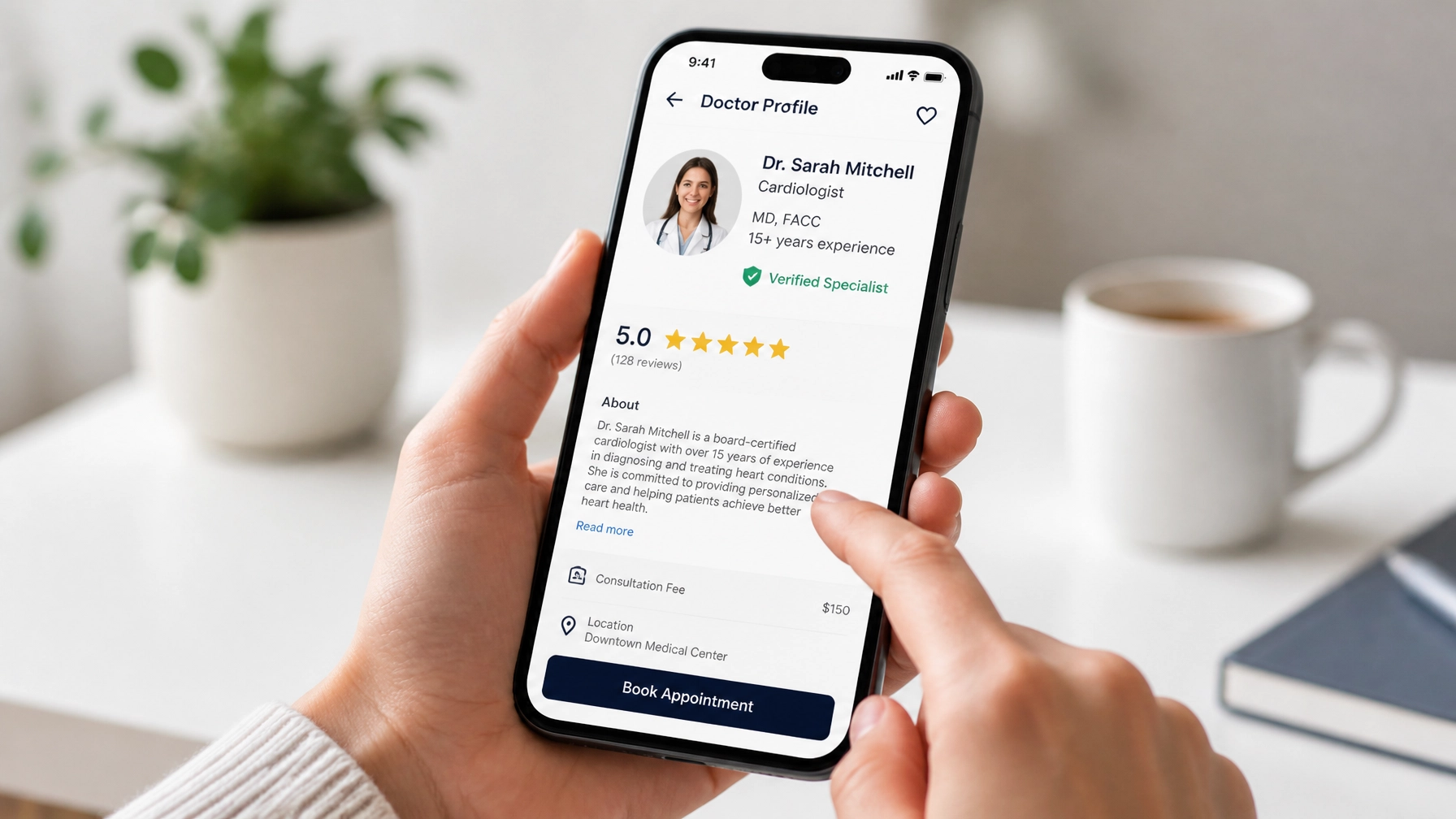
Reading reviews is a standard part of finding a doctor for back pain. However, not all reviews are created equal. When browsing the Medical Online Directory, look for specific details that signal high-quality care.
What to look for
Focus on reviews that mention "outcomes" rather than just the waiting room atmosphere. Look for patients who say, "I can finally walk my dog again," or "My leg numbness has completely vanished." These specific improvements indicate that the specialist's treatment plan actually worked.
Red flags to avoid
Be cautious of reviews that mention a "one-size-fits-all" approach. If every patient seems to get the exact same treatment regardless of their symptoms, it may be a sign of a high-volume clinic that doesn't prioritize individualized care. Also, look out for complaints about a lack of communication or feeling "rushed" during the diagnostic phase.
Verifying the logistics : Insurance and accessibility
Finding the world’s best specialist doesn't help if they don't accept your insurance or if you can't get an appointment for six months. Verifying these details early saves you from unnecessary stress.
Most people prioritize a "back pain specialist near me" to minimize travel time: especially since sitting in a car can aggravate back pain. Use filters to find providers who are currently accepting new patients. This simple step ensures you aren't wasting time calling offices that are fully booked.
Navigating the directory : How we help
At Medical Online Directory, we believe finding care should be the easiest part of your day. We provide a streamlined platform to help you search, compare, and connect with 37+ verified providers across 12+ medical specialties.
Our platform simplifies your search by offering:
- Symptom-based matching: Searching by "back pain" or "sciatica" to find relevant specialists.
- Insurance filtering: Viewing only the providers who are in your network.
- Telehealth indicators: Determining if you can have your initial consultation from the comfort of your home.
- Verified reviews: Accessing over 12,966 patient reviews with an average 4.8★ rating.
- New patient status: Instantly seeing who is ready to help you right now.
Finding your match takes 60 seconds: allowing you to focus on getting better rather than filling out forms.
Staying proactive : The path to recovery
Recovery is an active process. While specialists provide the tools, your commitment to the plan: whether it's daily stretches, weight management, or ergonomic changes: is what leads to lasting relief.
Choosing a partner in your health is a significant decision. By understanding the roles of physiatrists, orthopedists, and chiropractors, you are already ahead of the curve. You deserve a life defined by movement, not by pain.
Finding the right specialist is free, with no obligation. You can browse our listings and find your relief today. Unsubscribe from the pain and start your journey toward a stronger spine.
Search for Back Pain Specialists Near You
Found this article helpful?