How to Find a Pulmonologist: Expert Guide to Lung Care
Struggling with breathlessness? Learn how to find the best pulmonologist near you to treat asthma, COPD, and sleep apnea with our expert respiratory care guide.
Category: Medical Specialties
Finding it difficult to take a full breath is a heavy experience : one that affects your energy, your sleep, and your peace of mind. Whether you are dealing with a nagging cough that refuses to leave or a new diagnosis of a chronic condition, navigating the world of respiratory health can feel overwhelming. You deserve a clear path to breathing easier. This guide is written for real people looking for real solutions : helping you find the right lung doctor near me without the stress.
Pulmonology care, explained
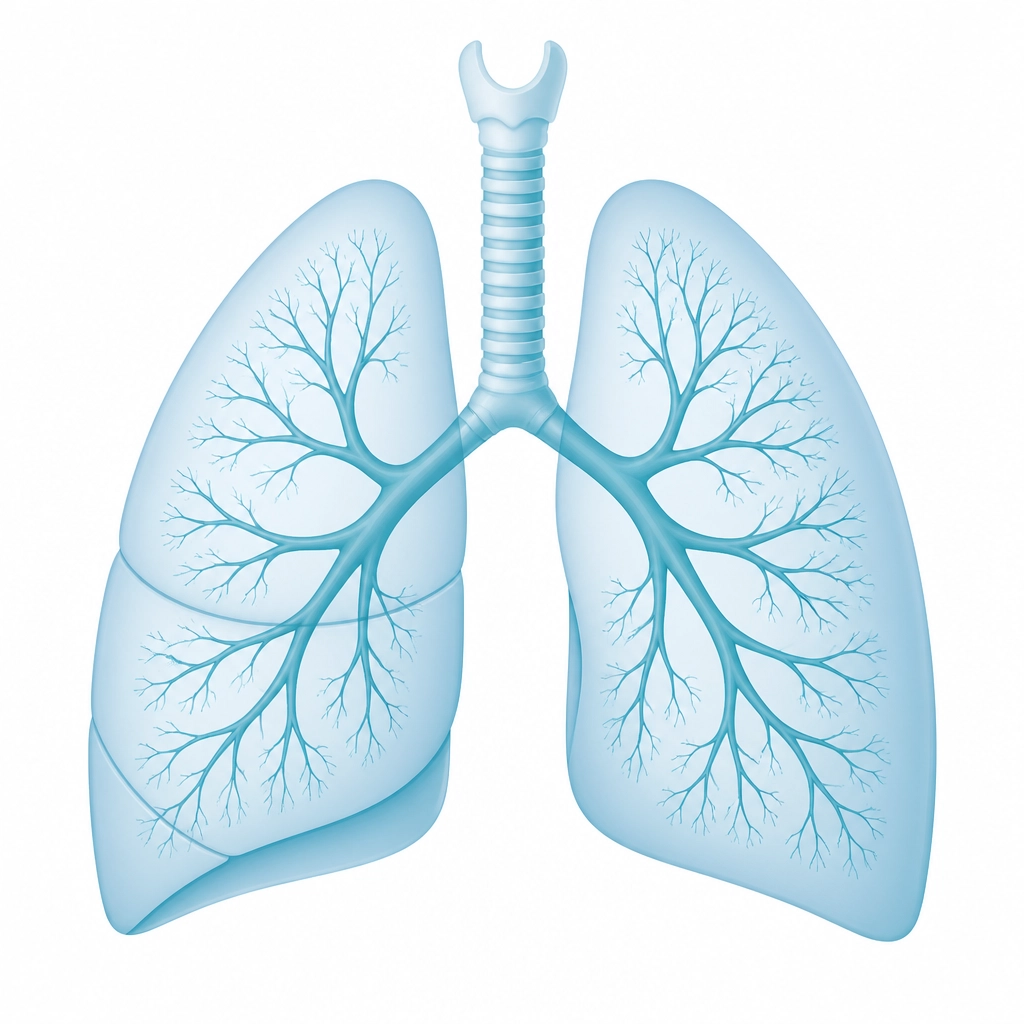
Pulmonology is a branch of medicine focusing entirely on the health of your respiratory system. This includes your lungs, airways, and the muscles that help you breathe. A pulmonologist is a specialized doctor : an expert trained to diagnose and treat everything from common asthma to complex lung diseases.
When your breathing feels "off," it is often because the delicate exchange of oxygen and carbon dioxide is being disrupted. Pulmonologists use advanced diagnostic tools to pinpoint exactly where that disruption is happening. They are the steady guides who help you manage long-term conditions or recover from acute respiratory illnesses.
Pulmonology care often includes both diagnosis and ongoing support. That matters because many lung problems are not one-time issues. They can change with the seasons, with infections, with stress, and with activity levels. A good pulmonologist helps you understand those patterns. They explain what is happening in plain language, adjust your treatment when symptoms change, and help you build a plan that fits daily life.
This specialty also overlaps with other parts of healthcare. Shortness of breath does not always come from one simple cause. It can be linked to allergies, heart problems, sleep issues, workplace exposures, past infections, or smoking history. A pulmonologist looks at the full picture : not just your lungs on paper, but how breathing problems affect your work, sleep, exercise, and basic comfort.
Respiratory conditions, treated
A respiratory specialist handles a wide array of conditions. Understanding what these specialists treat helps you decide if you are in the right place. Some conditions are long-term and need regular check-ins. Others appear suddenly and need fast testing. In both cases, the goal is the same : helping you breathe better, function better, and feel more in control.
Managing Asthma
Asthma is one of the most common reasons people search for an asthma doctor. It involves inflammation and narrowing of the airways, which can cause wheezing and shortness of breath. While primary care doctors often manage mild asthma, a pulmonologist steps in when symptoms become difficult to control or when triggers are hard to identify.
A pulmonologist can help sort out whether your symptoms come from allergies, exercise, cold air, respiratory infections, or irritants like smoke and cleaning products. Treatment may include a rescue inhaler for sudden symptoms, a daily controller inhaler to reduce inflammation, and a written action plan that tells you what to do when symptoms flare. If asthma is waking you at night, limiting exercise, or sending you to urgent care, Specialist support can make a real difference.
Living with COPD
Chronic Obstructive Pulmonary Disease : or COPD : is an umbrella term for conditions like emphysema and chronic bronchitis. Finding a COPD specialist is vital for managing this progressive condition. They focus on preserving lung function and improving your daily quality of life through tailored medication plans and lifestyle adjustments.
COPD often develops slowly. Many people first notice that everyday tasks become harder : walking uphill, carrying groceries, or keeping up with family. A pulmonologist helps stage the condition, measure how severe it is, and build a treatment plan that may include inhalers, breathing exercises, pulmonary rehab, oxygen therapy, vaccinations, and flare-up prevention. Quitting smoking is a major part of care when relevant, but treatment does not stop there. The right plan can reduce symptoms and help you stay active longer.
Recovering from Pneumonia
While many cases of pneumonia clear up with standard antibiotics, recurring or severe lung infections require a specialist's eye. They ensure there is no underlying issue causing the repeated illness : such as a structural problem in the lungs or a weakened immune system.
Recovery can take longer than many people expect. Even after the infection improves, fatigue, cough, and chest tightness may linger for weeks. A pulmonologist may recommend repeat imaging, breathing tests, or additional evaluation if symptoms are not improving on schedule. This is especially important for older adults, people with asthma or COPD, and anyone who keeps getting lower respiratory infections.
Investigating Lung Cancer
A pulmonologist is often the first specialist you see if an imaging test shows a suspicious spot on your lungs. They perform biopsies and work closely with oncologists to coordinate your care, ensuring a fast and accurate diagnosis.
That early coordination matters. When a lung nodule or mass is found, people usually want answers quickly. A pulmonologist can help explain what the scan means, what further testing is needed, and how urgent the situation appears. Not every spot on the lungs is cancer, but careful follow-up is essential. Clear communication at this stage can reduce delays and lower stress.
Addressing Sleep Apnea
Many people are surprised to learn that pulmonologists often treat sleep disorders. Because sleep apnea involves your breathing stopping and starting during the night, these specialists are uniquely qualified to manage CPAP therapy and other respiratory-based sleep solutions.
Sleep apnea can affect far more than snoring. It can lead to daytime fatigue, poor concentration, morning headaches, and higher strain on the body over time. A pulmonologist may recommend a sleep study, review CPAP options, and help troubleshoot mask discomfort or air pressure issues. Getting treatment right can improve sleep quality, energy, and even blood pressure control.
Treating Pulmonary Fibrosis and Long-Haul COVID
Scarring of the lung tissue : known as pulmonary fibrosis : requires highly specialized monitoring. Similarly, many people experiencing persistent shortness of breath after a viral infection : often called long-haul COVID symptoms : find relief by working with a pulmonologist to strengthen their respiratory health.
These conditions often require patience and steady follow-up. Pulmonary fibrosis can make breathing feel shallow and tiring, especially with activity. Long-haul COVID symptoms may include shortness of breath, chest discomfort, reduced stamina, and a cough that seems out of proportion to normal recovery. A pulmonologist can evaluate whether the problem is related to airway irritation, reduced lung capacity, deconditioning, or another issue entirely.
Other lung conditions a pulmonologist may treat
Pulmonologists also evaluate bronchitis that keeps coming back, unexplained cough, bronchiectasis, pleural effusions, sarcoidosis, occupational lung exposure, and breathing problems linked to autoimmune disease. Some patients come in because they are constantly clearing their throat. Others come in because they cannot walk across a parking lot without stopping. Both deserve a serious look. If your breathing symptoms are persistent, recurring, or affecting daily life, specialty care is often worth considering.
Treatment options, explained
Treatment depends on the condition, the severity, and how much your symptoms are affecting your life. A pulmonologist may recommend one treatment or a combination of several. The goal is usually simple : open the airways, reduce inflammation, treat infection if present, improve oxygen flow, and prevent symptoms from getting worse.
Common treatment options may include:
- Inhalers: These are often used for asthma and COPD. Some work fast for relief. Others work over time to prevent flare-ups.
- Nebulizer treatments: These turn medicine into a fine mist and can be useful for people who have trouble using an inhaler.
- Steroid medications: These may be inhaled or prescribed by mouth for short periods during bad flare-ups.
- Antibiotics or antivirals: Used when an infection is part of the problem.
- Oxygen therapy: Some people need extra oxygen at home, during sleep, or when active.
- CPAP or BiPAP: These support breathing during sleep or in certain chronic conditions.
- Procedures and biopsies: These help diagnose suspicious findings or evaluate blocked airways.
- Monitoring and repeat testing: Sometimes the most important next step is tracking how symptoms and scans change over time.
A good treatment plan should feel practical. You should know what each medicine is for, when to use it, and what signs mean you need follow-up sooner.
Recognizing the signs, explained
Knowing when to move from primary care to a specialist is an important step in your health journey. While your family doctor is great for general health, certain "red flags" suggest it is time to find a pulmonologist near me.
- Chronic Cough: A cough that lasts more than three weeks : especially if it produces phlegm or blood : needs a specialist's evaluation.
- Unexplained Shortness of Breath: If you find yourself getting winded during activities that used to be easy : like walking up a flight of stairs : your lungs may need a closer look.
- Persistent Wheezing: That whistling sound when you breathe is a clear sign of airway narrowing or obstruction.
- Abnormal Imaging: If a chest X-ray or CT scan shows something unusual, a specialist is the best person to interpret those results.
- Frequent Infections: Getting "chest colds" or bronchitis multiple times a year is a sign that your respiratory defenses may need support.
It is also worth paying attention to patterns. Do symptoms appear at work, around pets, during exercise, or at night? Does a cough return every winter? Are you avoiding activity because you are worried about getting winded? These details help a pulmonologist connect the dots faster.
Some symptoms should not wait for a routine visit. Severe shortness of breath, chest pain, confusion, bluish lips, or coughing up significant blood need urgent medical care right away. A pulmonologist can help with long-term management, but emergency warning signs should always be treated as urgent.
Pulmonary function tests, explained
One of the first things a respiratory specialist will do is order Pulmonary Function Tests : or PFTs. These tests are the gold standard for understanding how your lungs are performing.
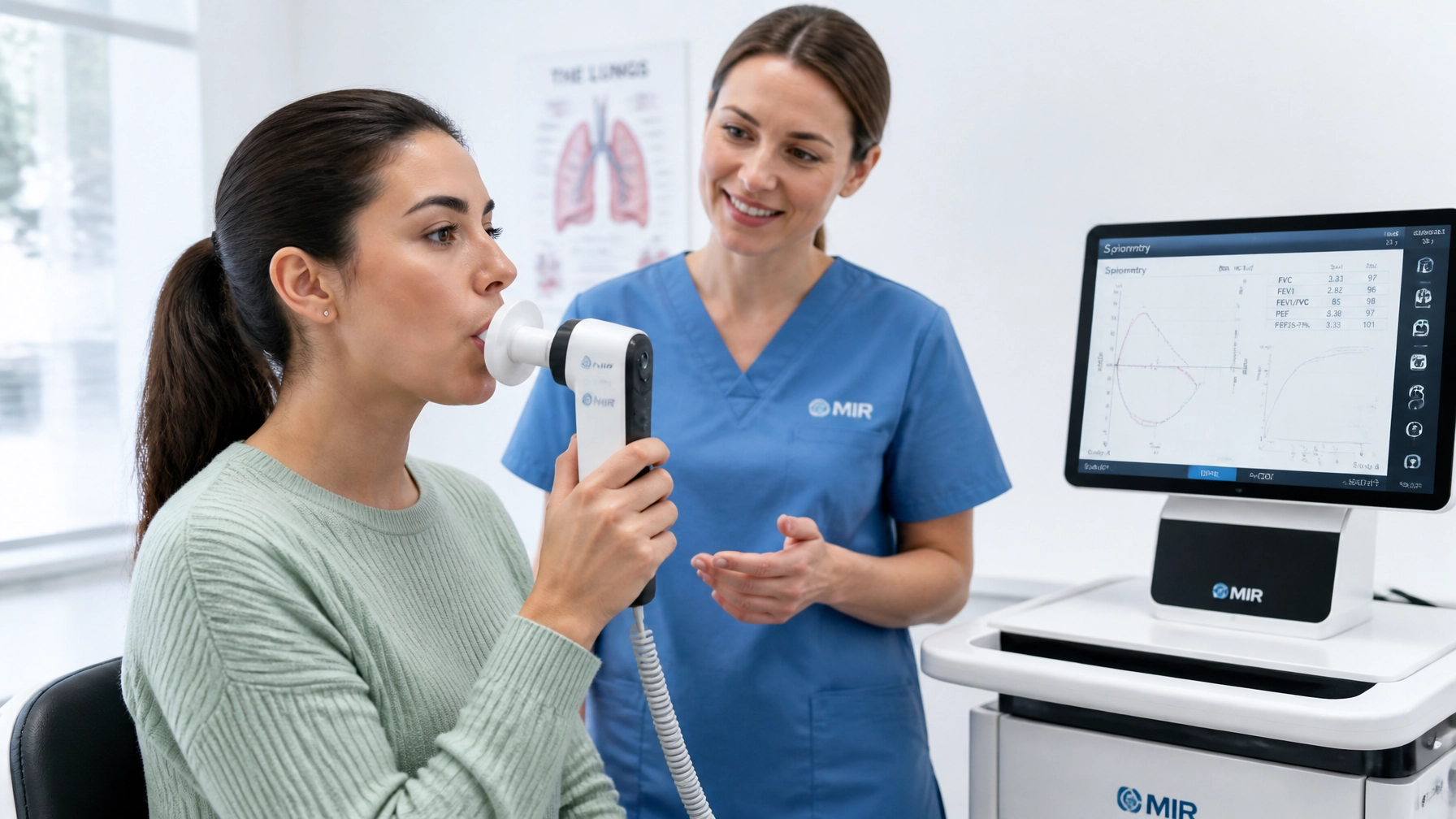
During a PFT, you will likely sit in a small booth or chair and breathe into a mouthpiece connected to a computer. This device : called a spirometer : measures:
- Capacity: How much air your lungs can hold.
- Flow: How quickly you can exhale that air.
- Gas Exchange: How efficiently your lungs transfer oxygen into your bloodstream.
These tests are non-invasive and painless. They provide a "map" of your lung health, allowing your doctor to see if your issues are obstructive (like asthma) or restrictive (like fibrosis). Most importantly, they help your doctor track whether your treatment is actually working over time.
PFTs are only one part of the picture, but they are extremely useful. Your pulmonologist may compare your numbers over time to see whether your lungs are stable, improving, or declining. In some cases, you may be asked to repeat part of the test after using an inhaled medication. That helps show whether narrowed airways can open with treatment.
Other breathing-related tests may also be used depending on your symptoms. These can include a chest CT, overnight oxygen monitoring, a sleep study, a six-minute walk test, bronchoscopy, or blood oxygen checks during activity. The purpose is not to overload you with testing. It is to make sure treatment is based on clear evidence instead of guesswork.
Primary care vs. Specialist, compared
Choosing between your regular doctor and a specialist depends on the severity and duration of your symptoms.
- Primary Care: Ideal for the common cold, mild seasonal allergies, or initial screenings. They are your first line of defense and can order basic tests like a chest X-ray.
- Pulmonologist: Necessary for chronic conditions, breathing issues that don't respond to basic treatment, or complex diagnoses. They have access to advanced tools and the latest clinical research specifically for lung health.
If you are unsure, starting with a primary care provider is a great first step. They can provide a referral and help you coordinate your care.
In many cases, the best care is shared care. Your primary doctor may manage your overall health, blood pressure, vaccines, and routine medications, while a pulmonologist focuses on the breathing problem itself. This team approach is especially helpful if you have more than one condition at the same time. It keeps treatment organized and helps avoid gaps in follow-up.
Choosing the right doctor, simplified
Finding a doctor involves more than just picking a name off a list. You want someone who listens, understands your insurance, and is available when you need them.
Asking the right questions
Before booking your first appointment, consider asking these questions:
- Do you specialize in my specific condition? (e.g., "Do you have experience with adult-onset asthma?")
- What tests will be performed during the first visit? Knowing this helps you prepare mentally and physically.
- Do you offer telehealth? For routine follow-ups, a video call can save you a trip to the office.
- Are you accepting new patients? This is often the biggest hurdle in finding care quickly.
- How do you handle flare-ups between visits? It helps to know whether the office offers quick advice, same-week appointments, or portal messaging.
- Do you work with pulmonary rehab or sleep specialists? That can matter if your care needs to expand over time.
Checking insurance and reviews
Healthcare is a financial commitment. Always verify that the provider is in your network to avoid unexpected bills. Additionally, reading patient reviews can give you insight into the doctor's bedside manner and office efficiency.
You may also want to check office location, parking, hospital affiliation, and whether testing is available in the same building. Small details can make ongoing care much easier, especially if you expect repeat visits or breathing tests.

Pulmonary rehab and recovery, explained
Pulmonary rehab is one of the most helpful but most overlooked parts of lung care. It is not just for severe disease. It can help people with COPD, pulmonary fibrosis, long-haul COVID symptoms, chronic shortness of breath, and recovery after serious lung illness. The goal is to help you breathe more efficiently, build endurance, and feel safer being active again.
A pulmonary rehab program may include:
- Supervised exercise: Gentle activity that improves stamina without pushing too hard.
- Breathing techniques: Methods like pursed-lip breathing that can help during shortness of breath.
- Education: Clear guidance on medications, inhaler use, oxygen safety, and symptom tracking.
- Energy-saving strategies: Practical ways to pace daily tasks like climbing stairs, showering, or shopping.
- Emotional support: Breathing problems can create anxiety. Rehab often helps people rebuild confidence.
Many patients find that pulmonary rehab gives them back a sense of control. Even small gains matter. Walking a little farther, recovering faster after exertion, or sleeping with less breathlessness can improve day-to-day life in a real way.
Lifestyle changes, simplified
Medical treatment is important, but daily habits matter too. Lifestyle changes do not replace specialist care. They support it. In many cases, they help reduce flare-ups and improve how well treatment works.
Useful changes may include:
- Stopping smoking: This is one of the most important steps for protecting lung function if you smoke.
- Avoiding smoke and irritants: Secondhand smoke, dust, fumes, and strong chemicals can worsen symptoms.
- Staying current on vaccines: Flu, pneumonia, and other recommended vaccines can help lower the risk of serious respiratory illness.
- Moving your body regularly: Even short walks can support stamina if your doctor says it is safe.
- Improving indoor air quality: Clean filters, reduced dust, and good ventilation can make breathing easier at home.
- Following your medication plan: Taking controller medicine consistently matters, even on good days.
- Watching for triggers: Keeping a symptom diary can help link breathing problems to weather, allergens, infections, or activity.
- Prioritizing sleep and hydration: These basics support recovery more than most people realize.
Lifestyle changes work best when they are realistic. You do not need a perfect routine. You need a plan you can actually follow.
Medical Online Directory, explained
We believe that finding a doctor should be the easiest part of getting healthy. The Medical Online Directory is designed to remove the friction from your search. Instead of calling dozens of offices, you can use our platform to filter exactly what you need.
How it works:
- Filter by Specialty: Instantly find a pulmonologist near me or an asthma doctor with one click.
- Filter by Insurance: We show you providers who accept your specific plan : helping you avoid out-of-network costs.
- Check Availability: See at a glance who is currently accepting new patients.
- Read Verified Reviews: Our community of patients shares real experiences, so you know what to expect before you walk through the door.
Searching our directory is free, with no obligation. Whether you are looking for cardiologists to check heart-related breathing issues or a pediatrician for your child's cough, we make the process simple.
You can also compare providers based on practical needs : location, insurance, specialty focus, and availability. That means less time guessing and more time taking the next useful step.
Your Lung Health Checklist
Use this checklist to prepare for your journey to better breathing:
- Document your symptoms (When did they start? What makes them worse?).
- List your current medications and dosages.
- Bring a copy of any recent chest X-rays or CT scans.
- Check your insurance provider list via the Medical Online Directory.
- Prepare a list of questions regarding your diagnosis and treatment options.
- Note any smoking history, workplace exposures, allergies, or sleep problems.
- Track how far you can walk or what activities trigger breathlessness.
- Write down any recent urgent care, ER, or hospital visits related to breathing.
Taking the next step
Shortness of breath does not have to be your "new normal." With the right specialist and a clear plan, you can return to the activities you love without the constant worry of your next breath.
The most important step is not knowing every medical term. It is taking action when breathing problems start affecting daily life. A pulmonologist can help you move from uncertainty to a clear plan : what condition you may be dealing with, what tests matter, what treatment options are available, and what changes can help at home.
Finding help shouldn't be a chore. Takes 60 seconds to start your search on the Medical Online Directory today. Connect with a verified specialist who can help you breathe easier.
Found this article helpful?