Primary Care for Men: Finding the Best Men’s Health Doctor
Learn why finding a primary care doctor for men is essential for long-term health. Our guide covers screenings, choosing specialists, and how to book today.

Most men treat their health like a check engine light : ignoring it until the car stops moving on the highway. We tell ourselves we’re fine, that the ache is just part of getting older, or that we simply don’t have time to sit in a waiting room. This approach is common, but it’s rarely effective.
Finding a primary care doctor for men isn't just about having someone to call when you have the flu. It is about building a partnership with a professional who understands the specific biological and lifestyle challenges men face. Whether you are looking for a male primary care physician to discuss sensitive topics or you just need someone to help you stay ahead of the curve, the right doctor changes the entire experience.
At Medical Online Directory, we simplify this process. We connect you with verified professionals so you can stop guessing and start taking control. This guide is written for real people : no jargon, no complex medical lectures : just the facts you need to find the best doctor for men’s health.
1. Identifying why we wait : breaking the avoidance barrier
The first step in finding a great doctor is understanding why you haven’t found one yet. For many men, the barrier isn't a lack of insurance or time : it is the "discomfort factor." Discussing personal health can feel vulnerable, and many men worry they will be judged or lectured.
Breaking this barrier starts with reframing the visit. Think of a primary care physician as a consultant for your body's performance. You wouldn't skip an oil change for a high-end vehicle : and your body deserves at least that much attention. Choosing a doctor who prioritizes a "no-nonsense" and direct communication style can help bridge this gap. When you find a provider who speaks your language, the anxiety of the "medical environment" disappears.
2. Choosing between specialties : Family Medicine vs. Internal Medicine
When you search for a "men's health doctor near me," you will likely see two main types of doctors: Family Medicine and Internal Medicine. Both are fully qualified to be your primary care provider, but their focus differs slightly.
- Family Medicine: These doctors treat patients of all ages, from infants to seniors. They are excellent if you want one doctor who understands the health history of your entire household. They focus heavily on preventive care and outpatient services.
- Internal Medicine: Often called "internists," these physicians focus exclusively on adults. They are specifically trained to manage complex chronic conditions and often have more experience in hospital settings.
If you are generally healthy and want a broad, preventive approach, a Family Medicine doctor is a great choice. If you have multiple health concerns or prefer a doctor who focuses solely on adult biology, an Internal Medicine specialist might be the better fit.
3. Finding your "fit" : why communication style matters
You can find the smartest doctor in the world, but if you don't feel comfortable telling them about your actual habits, the care won't be effective. Navigating your health requires honesty : about your diet, your stress levels, and your physical performance.
When browsing profiles on Medical Online Directory, look for doctors who emphasize "shared decision-making." This means they treat you as a partner in your health rather than just a patient who receives orders. A good fit feels like a conversation, not an interrogation. Many men prefer a male primary care physician for this reason, as it can make discussing topics like sexual health or testosterone levels feel more straightforward.
4. Mapping the screenings : knowing what to expect in your 20s and 30s
Your 20s and 30s are about establishing a baseline. Even if you feel invincible, certain numbers need to be tracked so your doctor can spot trends before they become problems.
- Blood Pressure: High blood pressure often has no symptoms : earning it the nickname "the silent killer." Starting regular checks at 18 ensures your heart isn't working harder than it should.
- Cholesterol: Most guidelines recommend a full lipid panel at least once in your early 20s. If you have a family history of heart disease, your doctor will want to check this more frequently.
- Infectious Disease: Screening for HIV and Hepatitis C is now a standard recommendation for all adults at least once, with more frequent checks based on lifestyle.
Establishing this baseline now means that when you hit 40, you and your doctor have a decade of data to compare against.
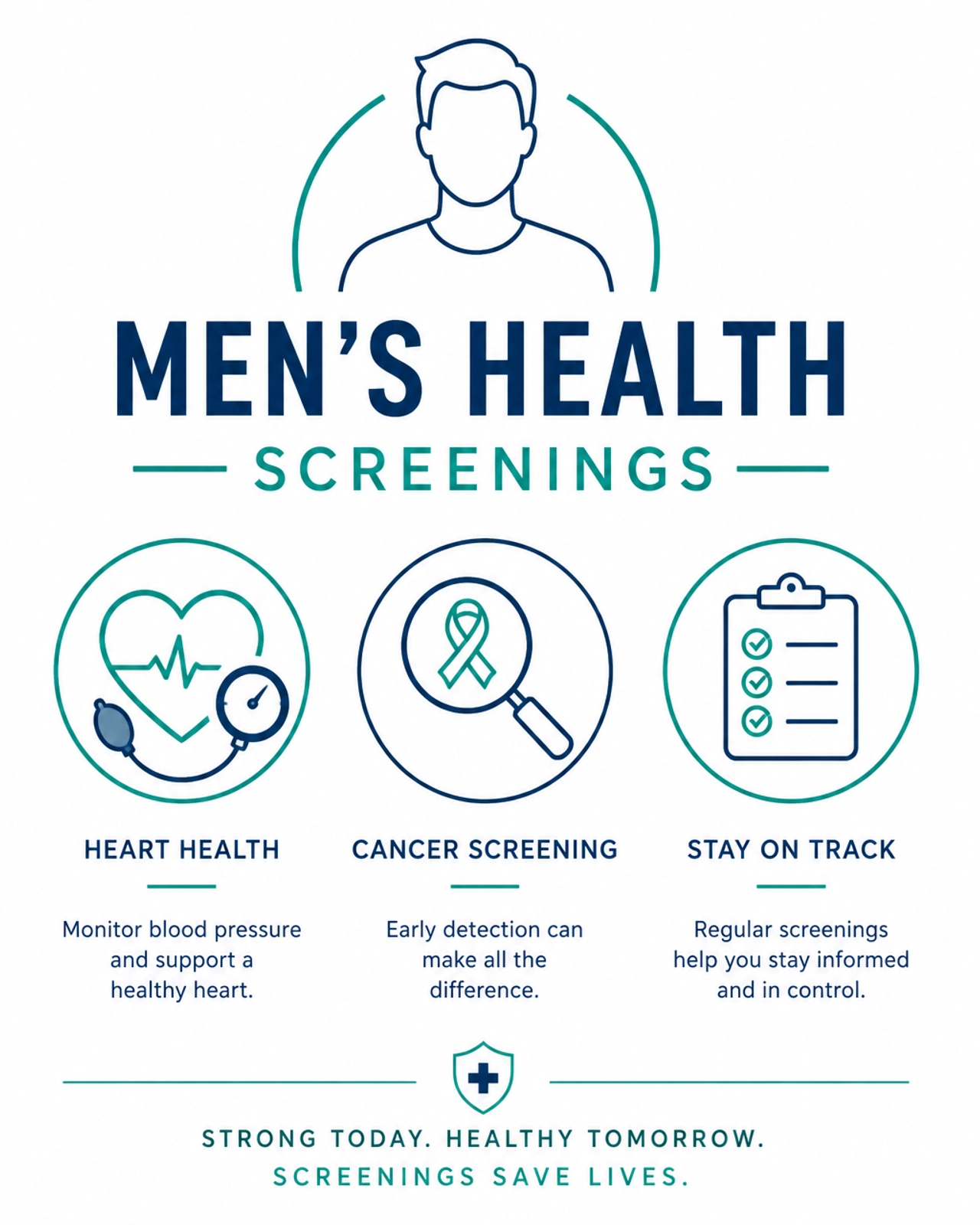
5. Stepping up care : screenings for your 40s
Once you hit 45, the checklist changes. This is the decade where "preventive" moves from a suggestion to a requirement.
- Colorectal Cancer: The recommended age to start screening has dropped from 50 to 45. Whether it is a stool-based test or a colonoscopy, this is the single most important screening to stay on top of in this age bracket.
- Diabetes: If you are overweight or have a family history, your doctor will likely begin regular blood sugar (A1C) tests every few years.
- Vision and Dental: Don't overlook these. Eye health and gum health are direct indicators of systemic issues like diabetes and heart disease.
6. Navigating the prostate conversation : understanding the PSA test
One of the most common reasons men search for the best doctor for men's health is to discuss prostate health. This is a nuanced topic that requires a doctor who stays current on the latest research.
The PSA (Prostate-Specific Antigen) test is a blood test used to screen for prostate cancer. However, the medical community's stance on it has shifted toward "shared decision-making." The test can sometimes lead to false positives or find slow-growing cancers that don't actually need treatment. A great primary care doctor will explain the pros and cons to you, helping you decide if and when to start testing : typically between the ages of 55 and 69, or earlier if you are in a high-risk group.
7. Protecting your heart : cholesterol and blood pressure tracking
Heart disease remains the leading cause of death for men. The good news is that it is largely manageable if caught early. Tracking your "numbers" : LDL (bad) cholesterol, HDL (good) cholesterol, and triglycerides : is a core function of your primary care visits.
Your doctor isn't just looking for high numbers; they are looking for your overall cardiovascular risk. They may use tools like a "Calcium Score" (a quick heart scan) or advanced lipid testing to get a clearer picture. Maintaining a relationship with a specialist like a cardiologist through your PCP’s referral network ensures that if a problem is detected, it is handled by the best in the field.
8. Checking your mental health : why physicals include your mind
A modern primary care visit isn't just about your physical body. Staying healthy means addressing stress, anxiety, and depression : conditions that men are often less likely to report.
Many men experience mental health struggles differently than women, often manifesting as irritability, fatigue, or physical pain rather than "sadness." A professional doctor knows how to ask the right questions. Including mental health in your annual physical is not a sign of weakness : it is a strategy for long-term resilience.

9. Verifying the logistics : insurance and "new patient" status
Nothing is more frustrating than finding a doctor you like, only to realize they don't take your insurance or aren't accepting new patients. This is where the search often stalls.
When you use the Medical Online Directory search tools, you can filter specifically for:
- Insurance Plan: Avoid the "out-of-network" surprise by filtering by your specific carrier.
- New Patient Status: Only see doctors who actually have room in their schedule for you.
- Language: Search for providers who speak your preferred language for clearer communication.
Verifying these details upfront saves you hours of phone calls and administrative headaches.
10. Utilizing the directory : how to find the right pro in 60 seconds
Finding the "best doctor for men's health" used to involve asking friends or scrolling through endless, unverified review sites. We have fixed that.
The Medical Online Directory provides:
- Verified Profiles: We check the credentials so you don't have to.
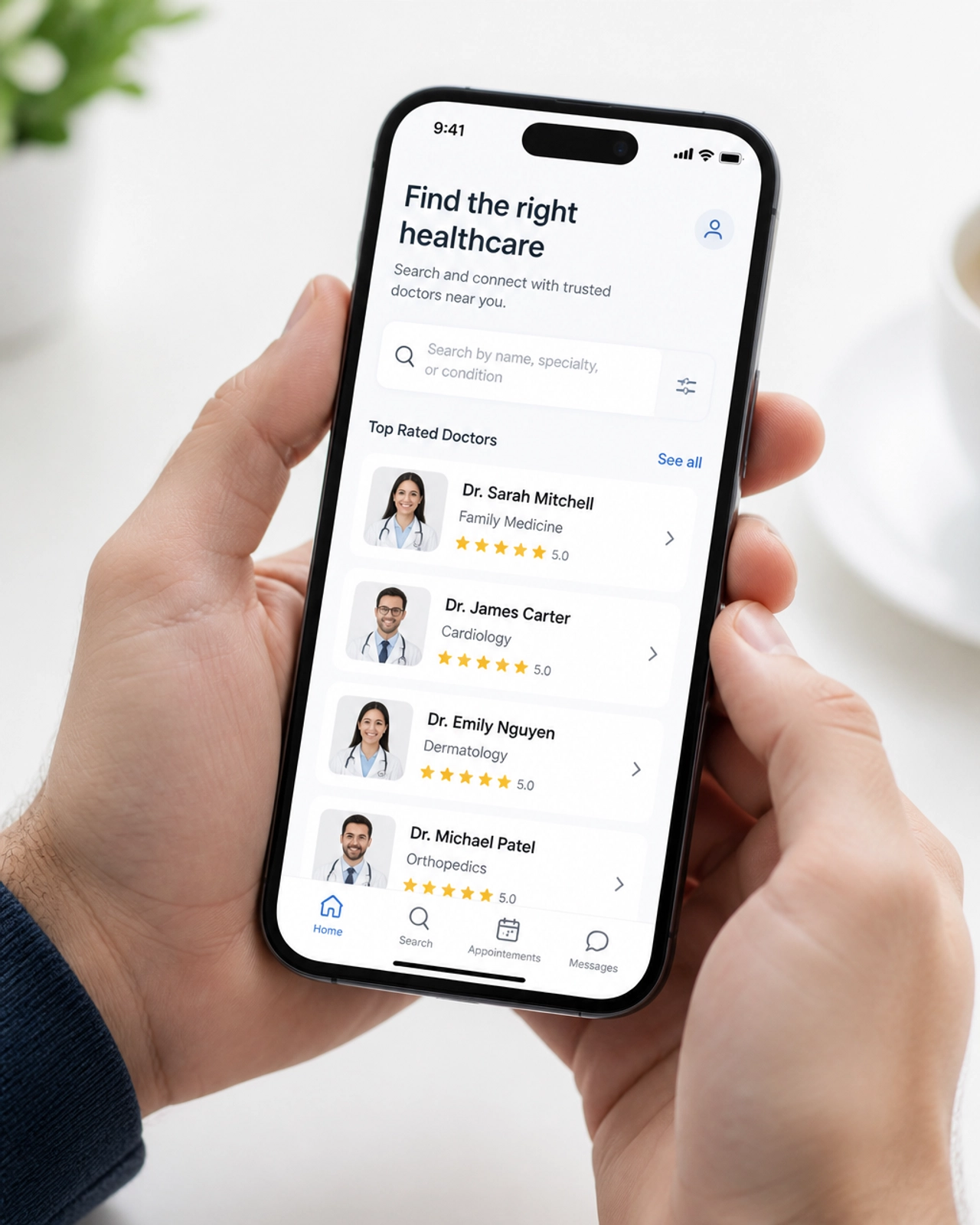
- Real Patient Reviews: With over 12,966 reviews and a 4.8-star average, you get an honest look at a doctor’s bedside manner.
- Telehealth Indicators: For when you need a quick consult without the drive.
- Advanced Filtering: Search by specialty, location, or even specific conditions like back pain or heart health.
Take action today : your health depends on it
Booking an appointment is the hardest part. Once you are in the room, the process of staying healthy becomes a series of simple, manageable steps. Don't wait for a "check engine light" to appear. Finding a primary care doctor for men who respects your time and understands your needs is the most effective investment you can make in your future.
Takes 60 seconds : Search our directory now and find a verified doctor near you. Free, no obligation, and no more guessing.
Found this article helpful?