The Ultimate Guide to Finding Insurance-Friendly Doctors (2026)
Finding a doctor who aligns with your healthcare needs is one thing : finding one who also aligns with your budget and insurance plan is another entirely. In 2026, the landscape of medical billing and provider networks continues to evolve, making the search for insurance-friendly doctors a priority
Finding a doctor who aligns with your healthcare needs is one thing : finding one who also aligns with your budget and insurance plan is another entirely. In 2026, the landscape of medical billing and provider networks continues to evolve, making the search for insurance-friendly doctors a priority for every savvy healthcare consumer.
Whether you are managing a chronic condition, seeking a primary care checkup, or looking for a specialized surgeon, your first question is likely: "Do they take my insurance?" This guide simplifies that process, breaking down the complexities of healthcare networks into manageable steps. Written for real people, this resource aims to demystify the system so you can focus on what matters most : your health.
Insurance-friendly doctors, explained
The term "insurance-friendly" often gets tossed around in medical waiting rooms, but its meaning is simple: these are providers who have established contracts with your specific insurance carrier. When a doctor is insurance-friendly, they are considered "in-network." This status is the single most important factor in determining how much you will pay out-of-pocket for your visit.
Why in-network status matters
Choosing an in-network doctor ensures that the insurance company has already negotiated a discounted rate for services. For you, this means lower copays, predictable coinsurance, and protection against balance billing. When you step outside of this network, you enter the "out-of-network" zone : a space where costs can skyrocket and your insurance company may cover very little, or nothing at all.
The transparency gap
Despite technological advances, many provider directories remain outdated. A doctor might have accepted a specific plan last month but opted out this month. Staying informed requires a proactive approach : verifying information through multiple channels to ensure you aren't met with a surprise bill after your appointment.
Navigating insurance networks : HMO, PPO, and EPO
Understanding your plan type is the foundation of your search. Different insurance structures offer varying levels of flexibility when it comes to choosing providers.
- HMO (Health Maintenance Organization): These plans usually require you to stay within a strict network and choose a primary care physician (PCP) to coordinate all your care. You typically need a referral to see a specialist.
- PPO (Preferred Provider Organization): These offer the most flexibility : allowing you to see doctors both in and out of network without a referral : though your costs are significantly lower when you stay in-network.
- EPO (Exclusive Provider Organization): A middle ground where you don't need referrals for specialists, but you are generally not covered for any out-of-network care except in emergencies.
Identifying which of these you carry : often listed right on your insurance card : will dictate how narrow or broad your search for insurance-friendly doctors should be.
Choosing the right search strategy
The search for a new provider often starts in one of two places: your insurance company's portal or a third-party directory. Both have their strengths, but using them in tandem is the most effective way to find a reliable match.
Starting with the insurer's portal
Your insurance carrier’s "Find a Doctor" tool is the primary source of truth for network status. By logging in, the tool automatically filters for your specific plan ID. This is crucial because a carrier like Aetna or Blue Cross Blue Shield has dozens of different sub-plans : and a doctor might be in-network for one but not another.
Using Medical Online Directory for speed
While insurance portals provide the "who," they often lack the "how good." This is where Medical Online Directory bridges the gap. With over 12,966 patient reviews and a 4.8-star average rating, our platform allows you to find providers who are not only in-network but also highly recommended by real patients.
Our search filters allow you to select your specific carrier : such as Cigna, UnitedHealthcare, or Humana : and narrow down your results by specialty, language, and telehealth availability. It takes less than 60 seconds to generate a list of verified providers who are currently accepting new patients.
Verifying coverage : questions to ask
Once you have a shortlist of potential doctors, the next step is verification. Never assume that an online listing is 100% accurate. Staffing changes and contract updates happen daily.
Calling the doctor’s office
When you call a prospective office, be specific. Instead of asking "Do you take Aetna?", provide the exact name of your plan.
- "Are you in-network with the Aetna Open Access PPO plan?"
- "Are you currently accepting new patients with this specific insurance?"
- "Will you file the claims directly with my insurance, or will I need to submit them?"
Calling your insurance company
If the office is unsure or if you want absolute certainty, call the member services number on the back of your card. Provide the doctor's full name and their NPI (National Provider Identifier) number, which you can find on their Medical Online Directory profile. This ensures there is no confusion between two doctors with similar names.
Avoiding surprise bills : the hidden costs
Even when you find an insurance-friendly doctor, "surprise billing" can still occur. This happens when an in-network doctor uses an out-of-network service during your care. This is common in hospitals and specialized clinics.

Identifying secondary providers
When scheduling a procedure or an advanced test, ask about the following:
- Labs: Where is my blood work being sent? Is that lab in-network?
- Radiology: If I need an X-ray or MRI, is the imaging center in-network?
- Anesthesiology: For surgeries, is the anesthesiologist part of my insurance plan?
In 2026, the No Surprises Act provides significant protections, but being proactive is still the best way to ensure your visit remains affordable. Always request a "Good Faith Estimate" for any non-emergency services : a right granted to you to ensure transparency in healthcare costs.
Staying organized : the 2026 checklist
To make your search as low-friction as possible, use this checklist for every new provider you consider.
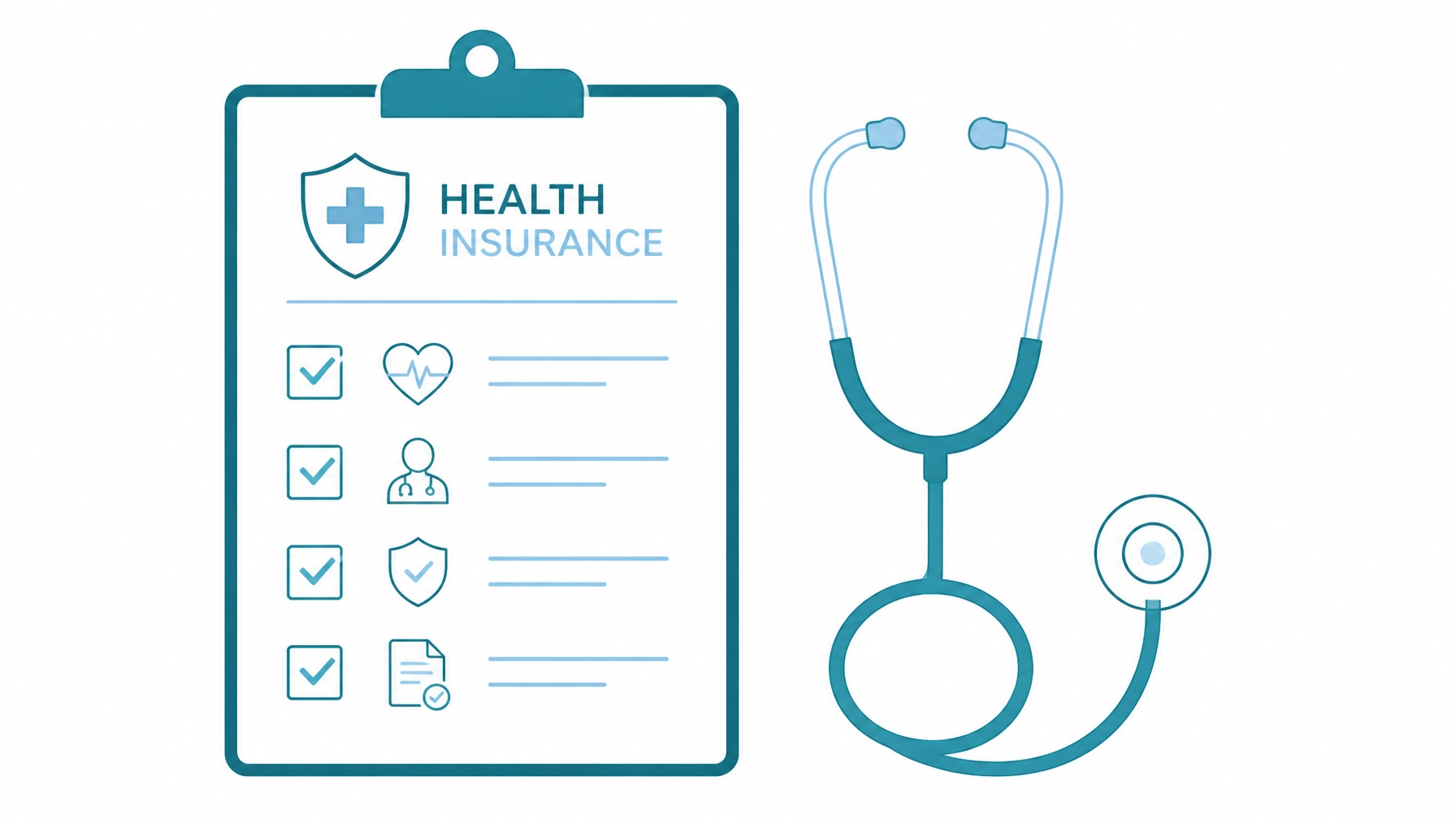
1. Pre-search preparation
- Locate your insurance card and identify your specific plan name (e.g., Choice Plus, Bronze PPO).
- Determine if you need a primary care physician or a specialist.
- Decide on your "must-haves" : such as a specific language, office location, or weekend hours.
2. The search phase
- Visit Medical Online Directory to filter by insurance and specialty.
- Read at least 3-5 recent patient reviews to gauge the office’s communication style.
- Check if the provider offers telehealth visits : often a cheaper and more convenient option for routine follow-ups.
3. The verification phase
- Call the office and confirm in-network status for your exact plan.
- Ask if they are accepting new patients.
- Confirm which hospital they are affiliated with (and if that hospital is in-network).
4. Appointment day
- Bring your physical insurance card and a photo ID.
- Confirm your copay amount at the front desk.
- If any tests are ordered during the visit, ask: "Is the facility performing this test in-network?"
Telehealth and modern care : a cost-effective alternative
As we move through 2026, telehealth has become a standard feature for insurance-friendly doctors. Many insurance plans now offer lower copays for virtual visits compared to in-person appointments.

When searching on Medical Online Directory, look for the "Telehealth Available" indicator. Virtual care is an excellent way to handle prescription refills, mental health consultations, and minor illnesses like sinus infections or skin rashes without the overhead costs of a traditional office visit. It is a fast, no-obligation way to get the care you need while staying within your insurance network.
Simplifying your healthcare journey
Finding insurance-friendly doctors shouldn't feel like a full-time job. By using the right tools and asking the right questions, you can navigate the healthcare system with confidence. The goal is to remove the financial stress from the equation so you can focus entirely on your recovery and well-being.
At Medical Online Directory, we are committed to making this process easy. With 37+ verified providers across 12+ specialties, we provide the transparency you need to make informed decisions. Whether you are looking for a pediatrician, a cardiologist, or an oncologist, our platform is designed to connect you with trusted professionals who respect both your health and your wallet.
Ready to find your next doctor? Start your search now : it takes just 60 seconds and is completely free, with no obligation.
Found this article helpful?